Galápagos weather in short
The year has two broad phases. A warm phase runs from January to May, and a cooler phase from June to December. The edges move from year to year, and December is a transition month. Tourism often uses December to May and June to November, so you will see both versions. Treat them as rough guides, not fixed dates.
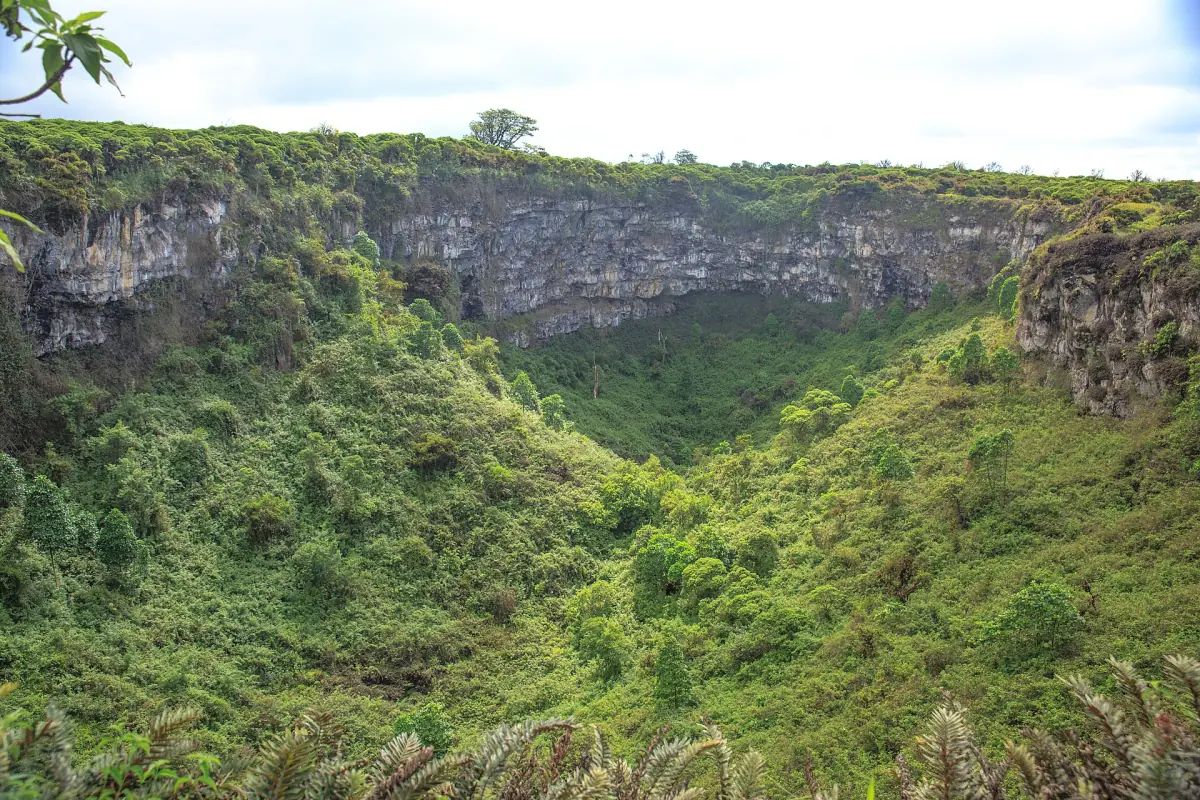
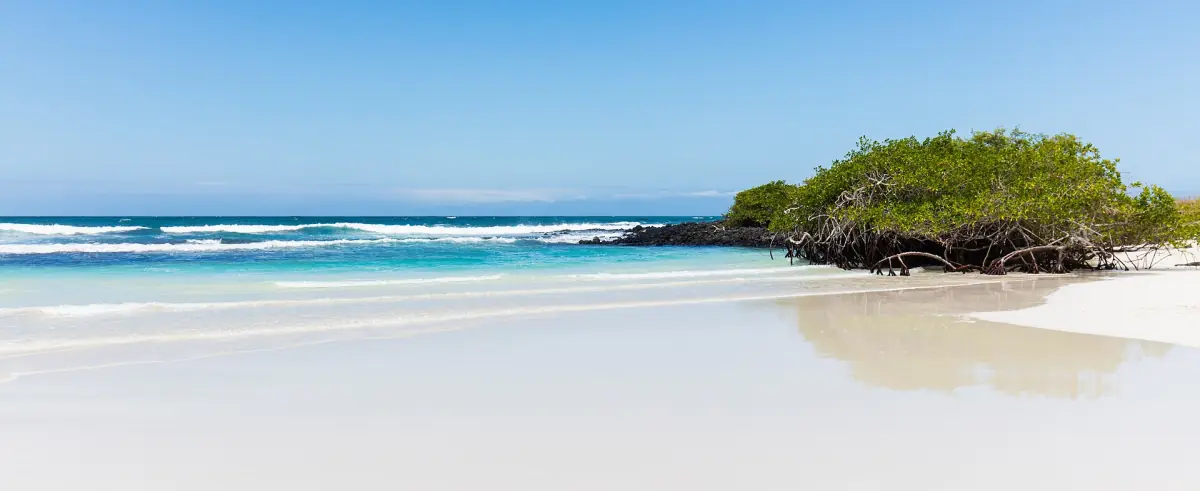
Weather affects the day more than the year. Mist called garúa settles on the higher slopes that face the wind, while the coasts are much drier. Heavy swell can close landing sites such as Tortuga Bay or Los Túneles for part of a day. Leave a spare day around boat trips, and check the cancellation terms when you compare Galápagos day tours.
Monthly climate table
Long-term climate averages for the coast of San Cristóbal.
| Month | Daily high °C | Daily low °C | Rain mm | Phase |
|---|---|---|---|---|
| January | 28.9 | 22.5 | 68.1 | Warm |
| February | 29.8 | 22.6 | 90.7 | Warm |
| March | 30.1 | 22.4 | 94.0 | Warm |
| April | 29.6 | 22.4 | 71.7 | Warm |
| May | 28.7 | 22.2 | 33.8 | Warm, variable |
| June | 27.1 | 21.0 | 22.6 | Cooler |
| July | 25.8 | 20.0 | 14.1 | Cooler |
| August | 25.0 | 19.1 | 6.0 | Cooler |
| September | 24.6 | 18.7 | 5.9 | Cooler |
| October | 25.7 | 19.1 | 6.0 | Cooler |
| November | 26.0 | 19.9 | 6.9 | Cooler |
| December | 27.2 | 21.1 | 29.9 | Transition |
How to read this table: the values are long-term averages for the coast of San Cristóbal. They are not a forecast and not exact for Puerto Ayora or the other islands. Use them to compare months, not to predict a day.
The pattern is clear. Rain peaks in February and March at more than 90 mm, falls to 5.9 to 6.9 mm from August to November, and rises again in December. Highs are around 30 °C in March and 24.6 °C in September.
Our pick: a wetsuit day
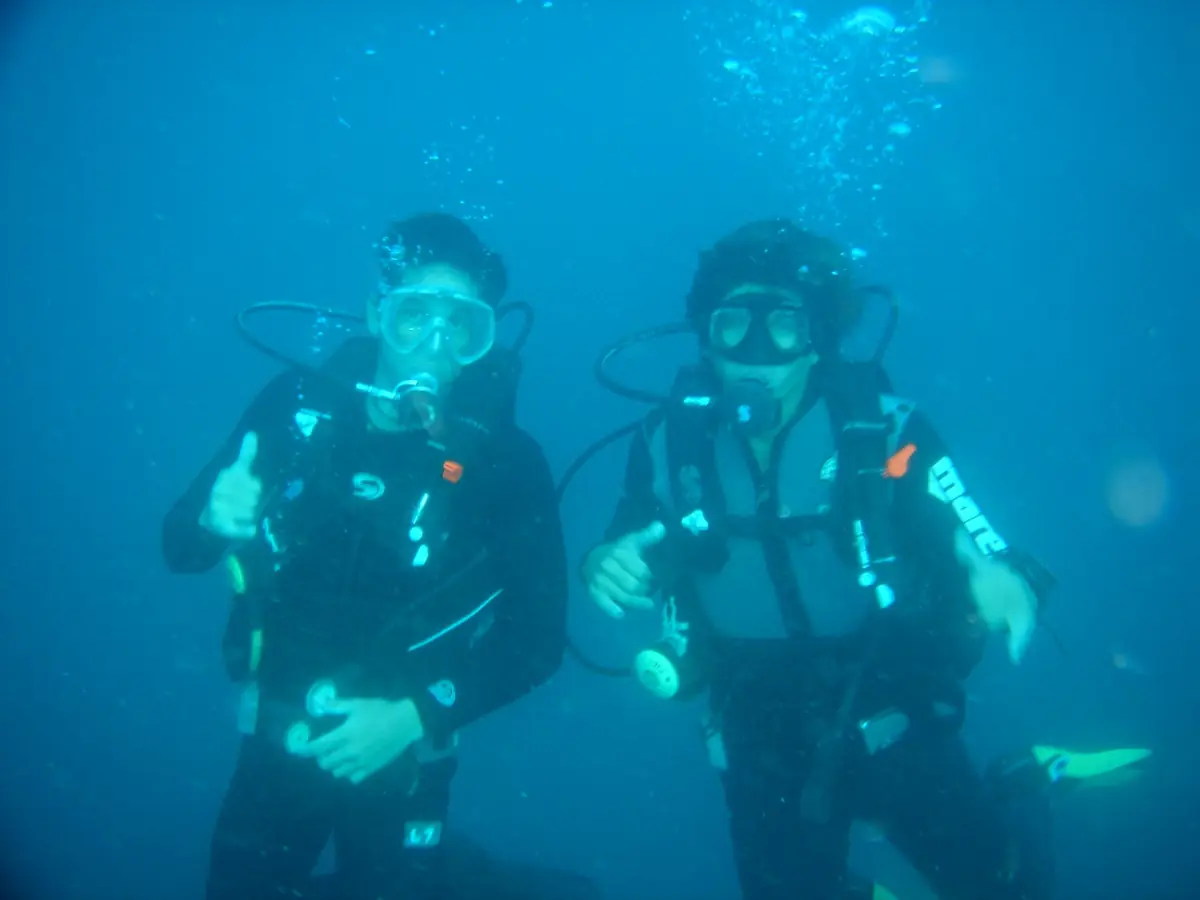
Our take: wetsuits are part of this snorkelling trip, useful in the cooler months.
Hand-picked tours, booked through GetYourGuide. Prices are indicative starting prices in US dollars (as of October 2026). Tap a tour for live availability and the current price in your currency.
Galápagos tours by season
Day trips, snorkeling, diving and cruises across the islands, with live prices and availability.
Warm season, cooler season and garúa
What the two phases feel like on the islands.
The warm phase, January to May
Highs reach about 30 °C in March, nights stay around 22 °C, and this is the wetter part of the year. Sea temperatures run 20 to 26 °C from December to May.
The cooler phase, June to December
Highs fall to about 25 °C in July and August and to 24.6 °C in September, lows to 18.7 °C, and rainfall is low. The sea runs 18 to 23 °C from June to November. A wetsuit is more welcome in this phase.
Garúa and the highlands
Garúa is a fine mist or drizzle. It gathers on the higher windward slopes, where the tortoise and forest sites of Santa Cruz lie, and the coasts are much drier. A light rain jacket suits highland visits at any time of year.
Water temperature and wetsuits
The sea matters more than the air if you snorkel or dive.
Ranges, not forecasts
The sea ranges above are typical values, not an exact average for every island. Site, depth and year change them a lot, and cold-water spots can drop below 15 °C locally.
Ask what is included
Do not assume that a wetsuit is included in every snorkel tour. Dive safaris ask for 5 or 7 mm full suits. Ask about thickness and rental before you book.
Snorkeling guide →Sun and water rules
The sun is strong near the equator. Sunscreen with oxybenzone or octinoxate is restricted for water activities, so choose a reef-safe product and cover up with a rash shirt. Keep at least 2 m from animals in the water.
For most visitors who want warm sea and calm days for snorkeling, January to May fits best, while the cooler phase suits people who prefer less rain and a bit less heat.
Plan the rest of your trip
Use the weather with the animal calendar.
Galápagos weather: frequently asked questions
What is the weather like in Galápagos?
There are two broad phases: a warm one from January to May and a cooler, drier one from June to December. Highs run from about 25 °C to 30 °C on average.
When does it rain most?
February and March have the highest monthly rainfall on average, at more than 90 mm. August to November are the driest months at about 6 to 7 mm.
What is garúa?
Garúa is a fine mist or drizzle, mostly on the higher slopes facing the wind. The coasts are much drier.
How warm is the sea?
The sea runs 20 to 26 °C from December to May and 18 to 23 °C from June to November. Site, depth and year change this.
Does this table forecast my trip?
No. The values are long-term averages for the coast of San Cristóbal. They help you compare months, not predict a day.
Is this the official Galápagos website?
No. This is an independent travel guide with no link to the national park or any weather service.