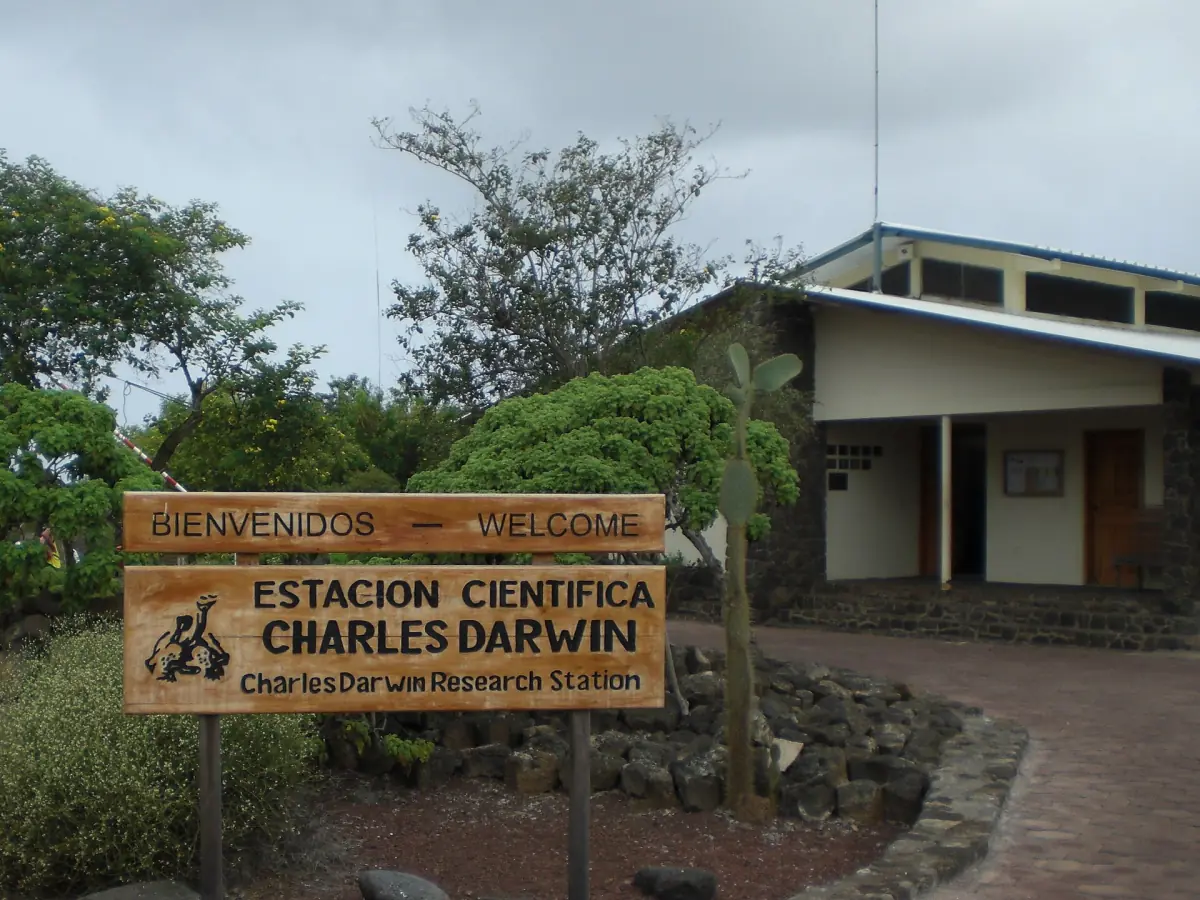
Galápagos history at a glance
The record starts with a documented European arrival in 1535. Ecuador took possession of the islands in 1832, and Charles Darwin spent time here with the Beagle in 1835. In 1959 the islands became a national park, and in 1978 UNESCO listed them as World Heritage. Today about 97 percent of the land area is national park, and four islands are inhabited.
The dates below are the documented milestones. If you want to stand where this history is explained, the free exhibition in Puerto Ayora is the usual start, and a guided day trip shows the landscapes. See our Galápagos tours for boat days to the islands.
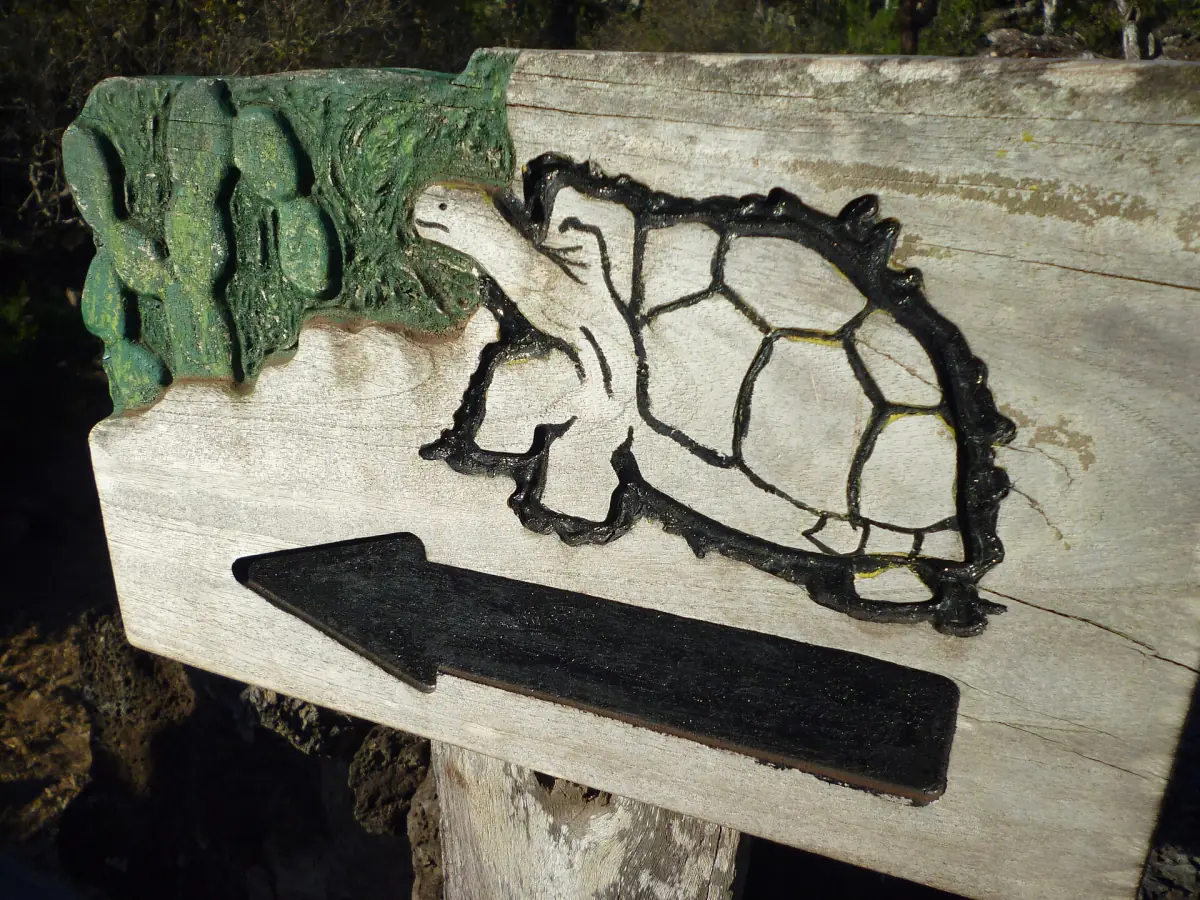
Timeline: from 1535 to the national park
Key dates in order.
| Year | What happened |
|---|---|
| 1535 | Tomás de Berlanga arrives on 10 March, the documented European arrival |
| 1832 | Ecuador takes possession of the islands |
| 1835 | Darwin visits on the Beagle |
| 1959 | The Galápagos National Park is created |
| 1978 | UNESCO World Heritage status |
| 1986 and 1998 | Marine protection begins and is expanded |
| 2001 | World Heritage area expanded to include marine areas |
| 2012 | Lonesome George dies on 24 June |
| 2022 | Census counts 28,583 residents; a further marine reserve of 60,000 km² is announced |
If you read only one entry, read 1959: it explains why you need a guide, a fee and a permitted boat today.
Our pick: the Darwin Station
Our take: a short visit to the research station in Puerto Ayora.
Hand-picked tours, booked through GetYourGuide. Prices are indicative starting prices in US dollars (as of October 2026). Tap a tour for live availability and the current price in your currency.
Galápagos tours and day trips
Guided day trips, snorkeling, diving and cruises to the islands behind this history, with live prices.
From the first landing to Darwin
Arrival, annexation and a famous visit.
1535: the documented arrival
Tomás de Berlanga reached the islands on 10 March 1535. This is the first documented European arrival. It does not mean that no one had been there before.
1832: Ecuador takes possession
Ecuador annexed the islands in 1832. Floreana was an early target of colonization after that. Later the islands were used by settlers, whalers and other seafarers. This is the history of use, not the freedom to visit: today access is regulated.
1835: Darwin on the Beagle
Darwin's stay in 1835 is the most famous date. His observations contributed to the later development of his theory. He did not publish the full theory on the islands, so the visit was one input among several, not the whole story.
Park, World Heritage and the sea
Protection grew in steps.
National park 1959, World Heritage 1978
The park dates from 1959, and UNESCO listed the islands in 1978. The listing was extended in 2001. UNESCO describes about 97 percent of the land area as national park, and counts four inhabited islands plus a further site with airport and military infrastructure.
The marine reserve
Earlier marine protection came in 1986 and was expanded in 1998. A separate reserve called Hermandad was announced for 60,000 km² in 2022. Do not mix it with the original reserve or the World Heritage boundary.
What it means for you
The park status explains the visitor rules today: an accredited naturalist guide, distance from animals, set opening hours and a park fee. Read the practical pages before you go.
National park rules →People and a symbol of conservation
The islands today and one tortoise who became a symbol.
The 2022 census counted 28,583 residents in the province. The cantons were Santa Cruz with 17,233, San Cristóbal with 8,300 and Isabela with 3,050. These are canton figures, not the populations of the towns, and they are not a count for 2026.
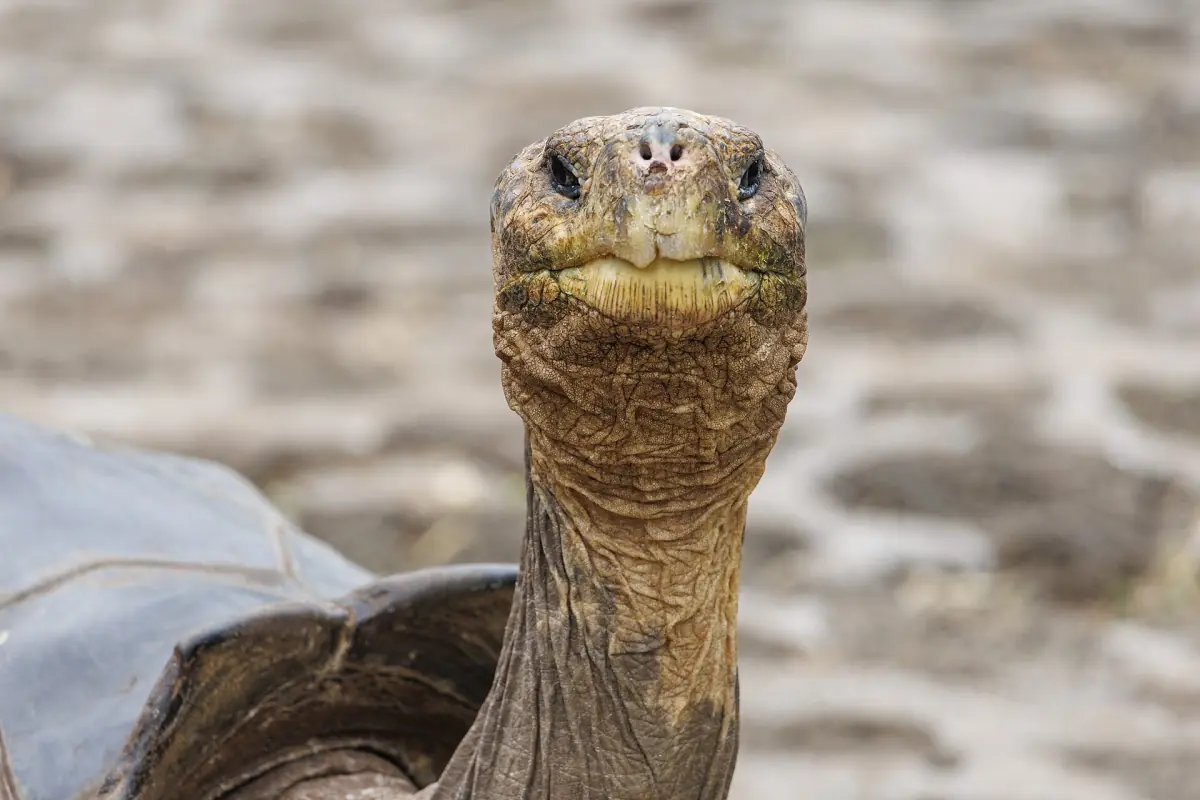
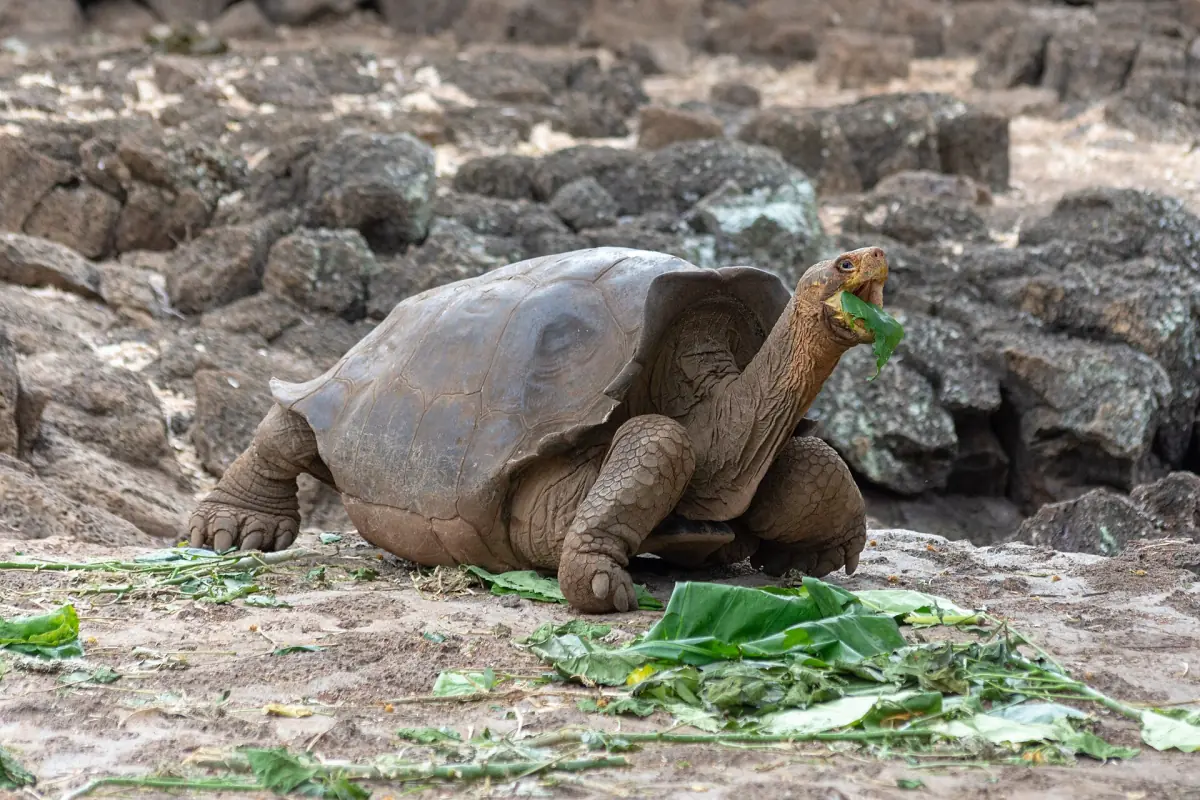
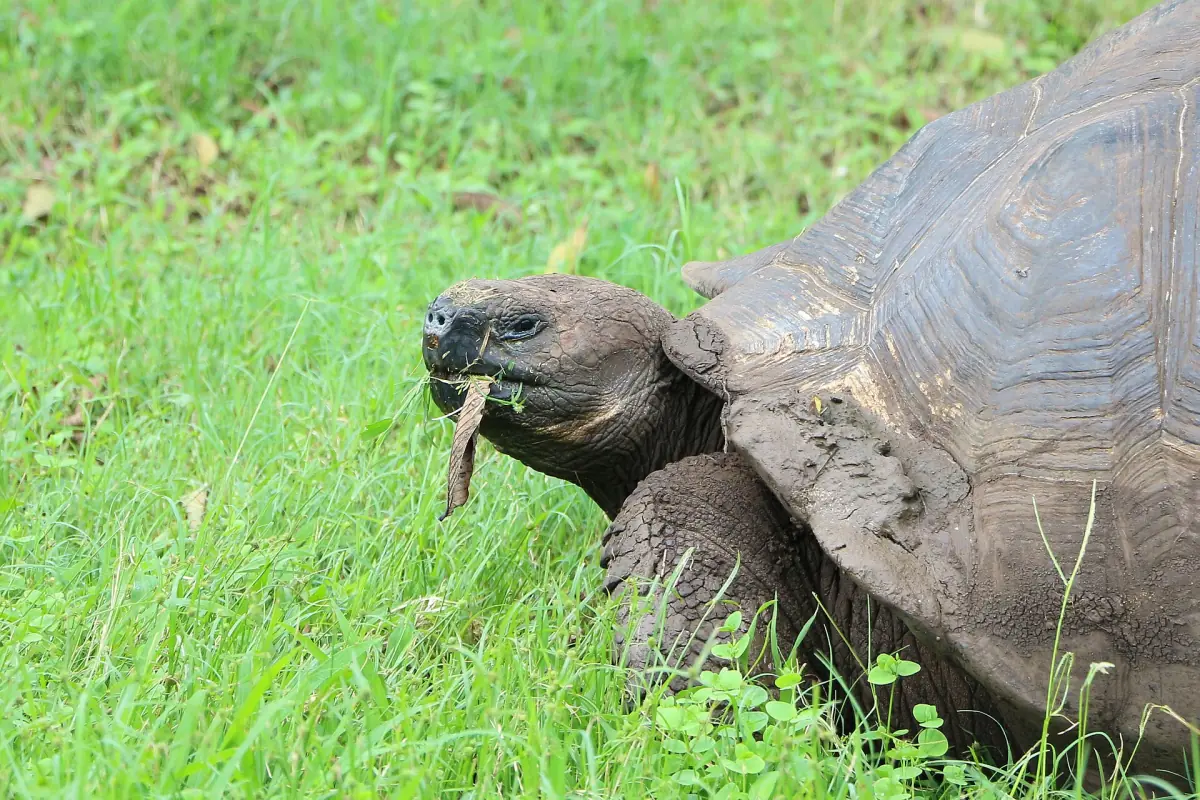
Lonesome George was the last known tortoise of the Pinta Island kind and died on 24 June 2012. A preserved specimen has been shown since 17 February 2017 in a hall near the tortoise breeding center in Puerto Ayora. Do not expect a living tortoise, and check the current access with the center before you plan a visit.
The research station in Puerto Ayora continues this story with its free exhibition, open daily from 08:00 to 18:00.
Plan the rest of your trip
Where to see this history first hand.
Galápagos history: frequently asked questions
Who discovered the Galápagos Islands?
The documented European arrival was Tomás de Berlanga on 10 March 1535. It is the earliest documented European arrival, not the discovery of an empty land.
When did Darwin visit?
Darwin stayed with the Beagle in 1835. His observations helped later development of his theory, but he did not publish the full theory there.
When did Galápagos become a national park?
In 1959. UNESCO listed the islands as World Heritage in 1978 and extended the listing in 2001.
How many people live in Galápagos?
The 2022 census counted 28,583 residents in the province. That is the latest census figure and not a count for 2026.
Can I see Lonesome George?
He died in 2012. A preserved specimen has been shown since 2017 near the tortoise breeding center in Puerto Ayora. Check current access with the center.
Is this the official Galápagos website?
No. This is an independent travel guide with no link to the national park, a ministry or a foundation.