Galápagos animals: where to see what
Each animal has its places. Giant tortoises live in the highlands of Santa Cruz, marine iguanas sit on lava shores, and seabirds nest on islands such as North Seymour. A place where an animal lives is not a sighting guarantee. Season, weather and luck decide what you see on your day.
Wildlife is easiest to reach by guided day tour from Santa Cruz, San Cristóbal or Isabela. See the Galápagos day tours for departures. A guide is required almost everywhere in the park, and you keep a set distance from every animal.
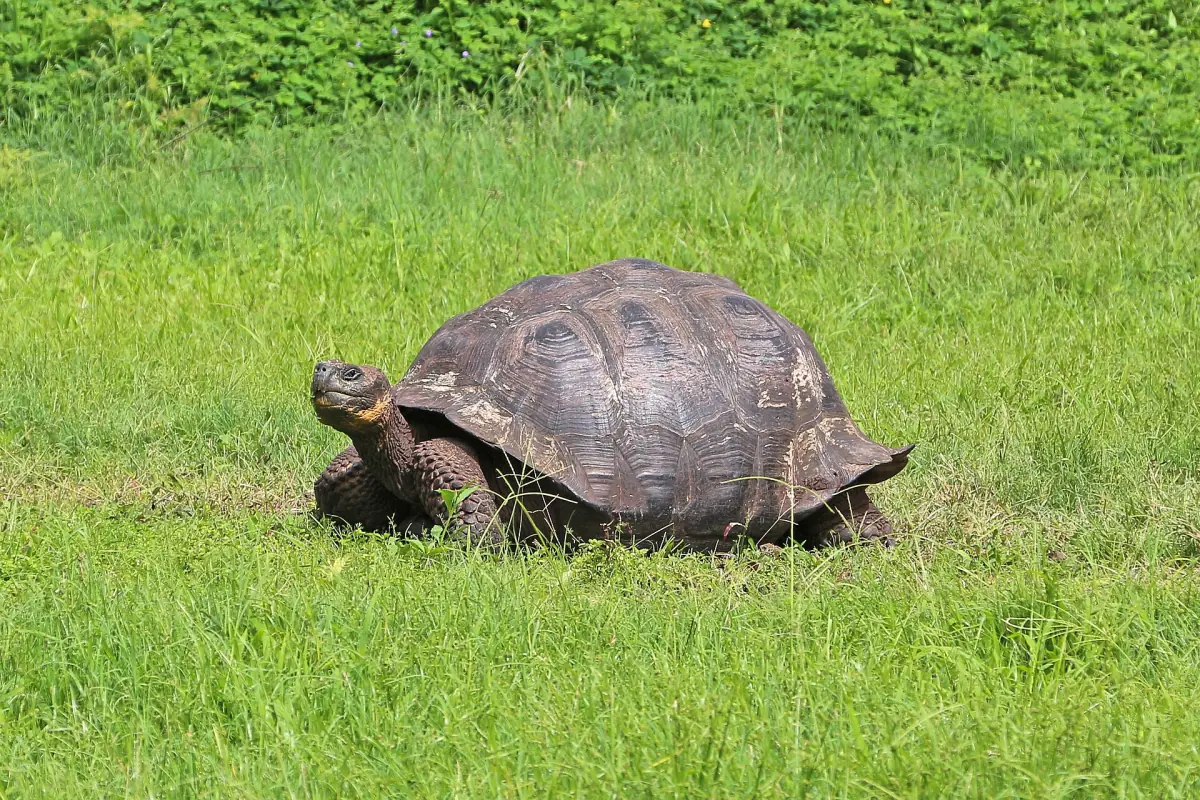
Our pick: giant tortoises
Our take: the highlands tour takes you to the tortoises in the wild on Santa Cruz.
Hand-picked tours, booked through GetYourGuide. Prices are indicative starting prices in US dollars (as of October 2026). Tap a tour for live availability and the current price in your currency.
Wildlife tours and day trips in Galápagos
Guided day trips to see tortoises, sea lions and seabirds, with live prices and availability.
Where to see each animal
Known places, not promises.
| Animal | Where | Good to know |
|---|---|---|
| Giant tortoises in the wild landscape | El Chato, highlands of Santa Cruz | A private ranch. Entry about $10 with a guide in 2026. |
| Giant tortoises in a breeding program | Fausto Llerena center, Santa Cruz | Guided and reserved. These are not wild animals. |
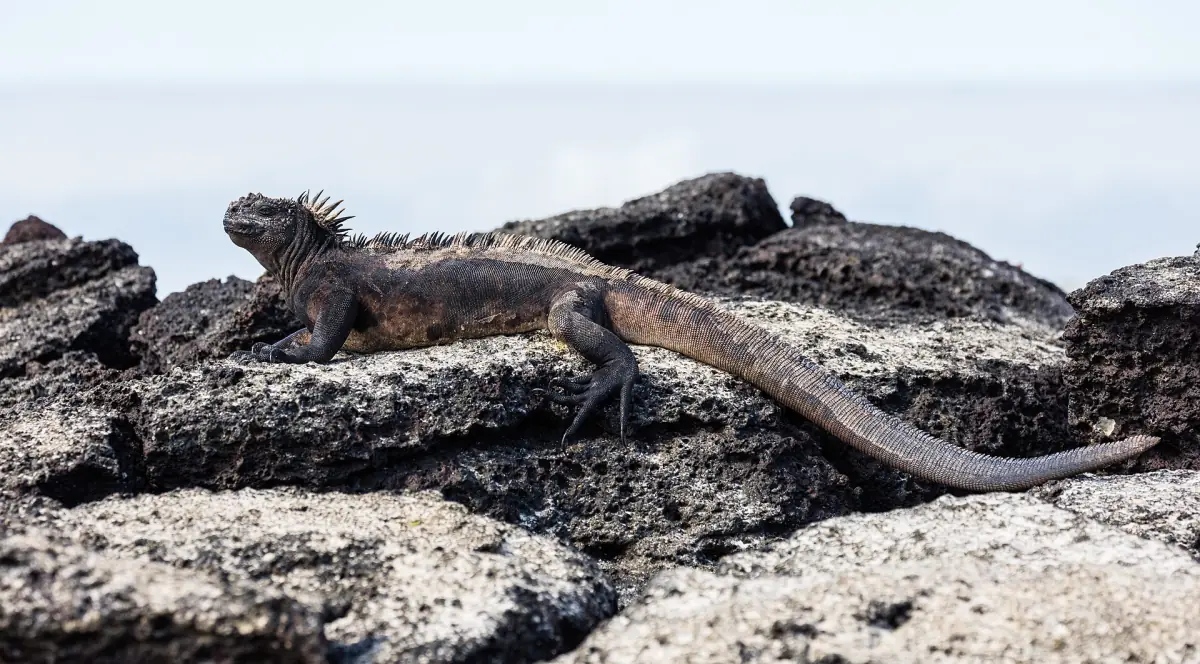
| Marine iguanas | Tortuga Bay, Santa Cruz | Stay on the paths and keep your distance. |
| Land iguanas | North Seymour | Possible on the North Seymour day trip. |
| Sea lions | San Cristóbal and North Seymour | Present at these places, but not guaranteed. |
| Blue-footed boobies | North Seymour and other breeding colonies | Breeding months differ between islands. |
| Galápagos penguins | Mainly Isabela and Fernandina; also Bartolomé, Santiago and Floreana | Present all year, breeding depends on conditions. |
| Frigatebirds | North Seymour, Floreana, San Cristóbal, Genovesa | Present all year, breeding time depends on place and climate. |
| Galápagos albatross | Española | Mostly on land from April to December, at sea early in the year. |
For most visitors, the highlands of Santa Cruz and a day trip to North Seymour cover tortoises, iguanas, sea lions and boobies with the least travel. Add Española between April and December if the albatross matters to you.
The animals in detail
What to expect at each place.
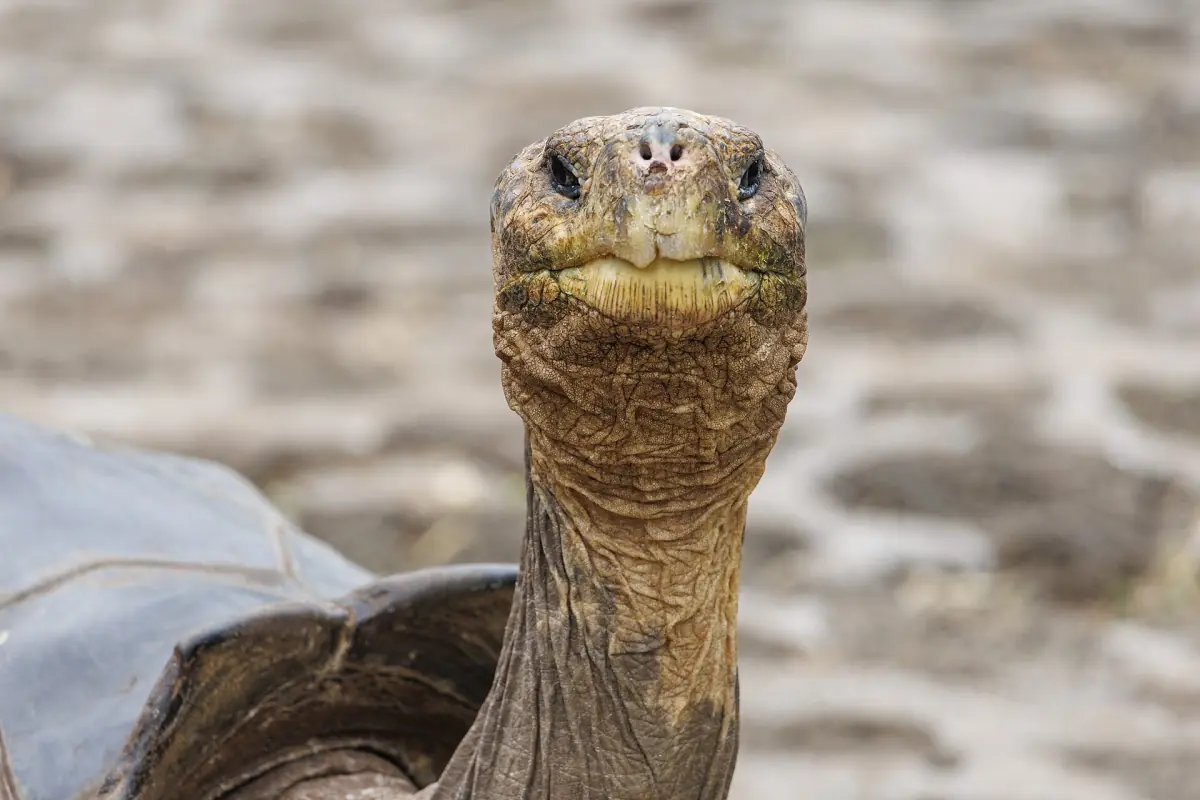
Giant tortoises
El Chato in the highlands of Santa Cruz offers tortoises in their natural habitat and a walkable lava tunnel. The Fausto Llerena center keeps tortoises in a breeding program and is visited with a guide and a reservation. Los Gemelos, the collapsed hollows in the scalesia forest, lies near the road to Baltra and is not a place to count on seeing tortoises. Lonesome George, the last known Pinta tortoise, died on 24 June 2012.
Charles Darwin Research Station →Iguanas
Marine iguanas rest on dark lava and under mangroves, for example at Tortuga Bay. Land iguanas are a possible sighting on the North Seymour day trip. Keep to the marked path and let the animals move first.
Santa Cruz guide →Sea lions
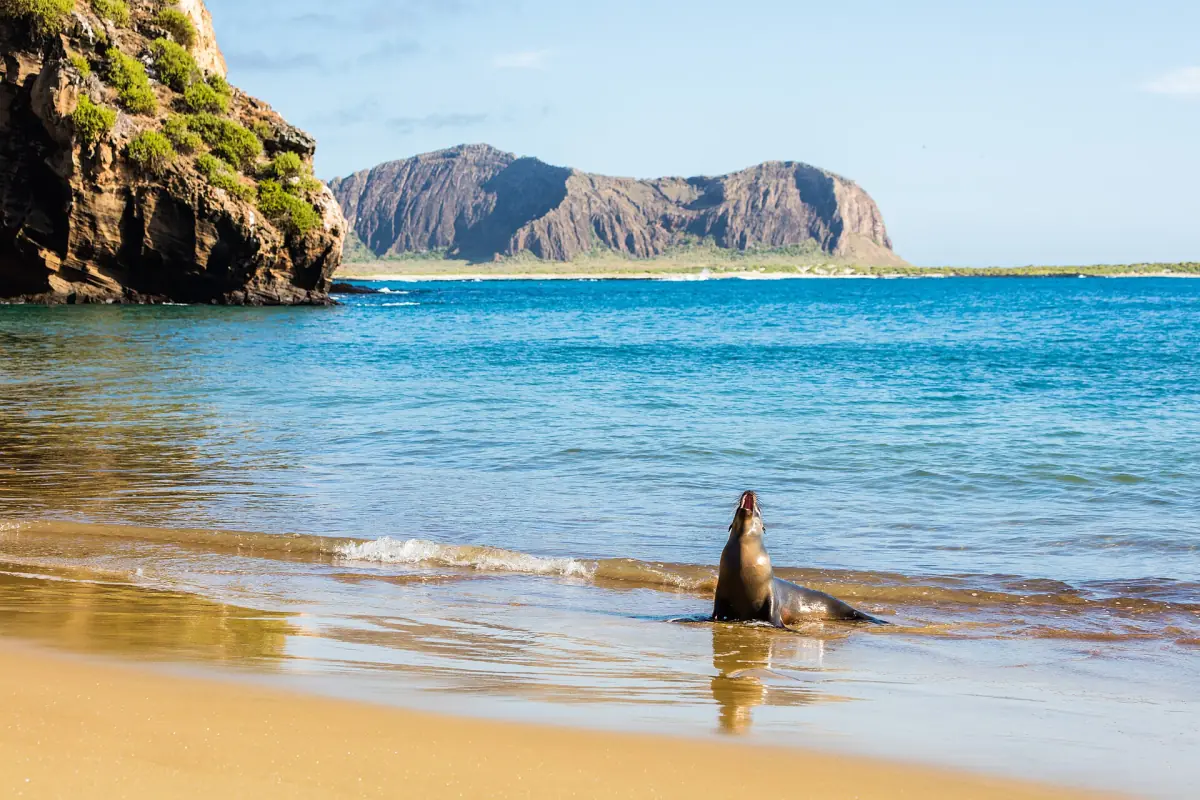
You find sea lions around San Cristóbal and North Seymour. They can be close, but you must stay at least 2 m away and never touch them. Do not feed or chase pups.
San Cristóbal guide →Boobies and frigatebirds
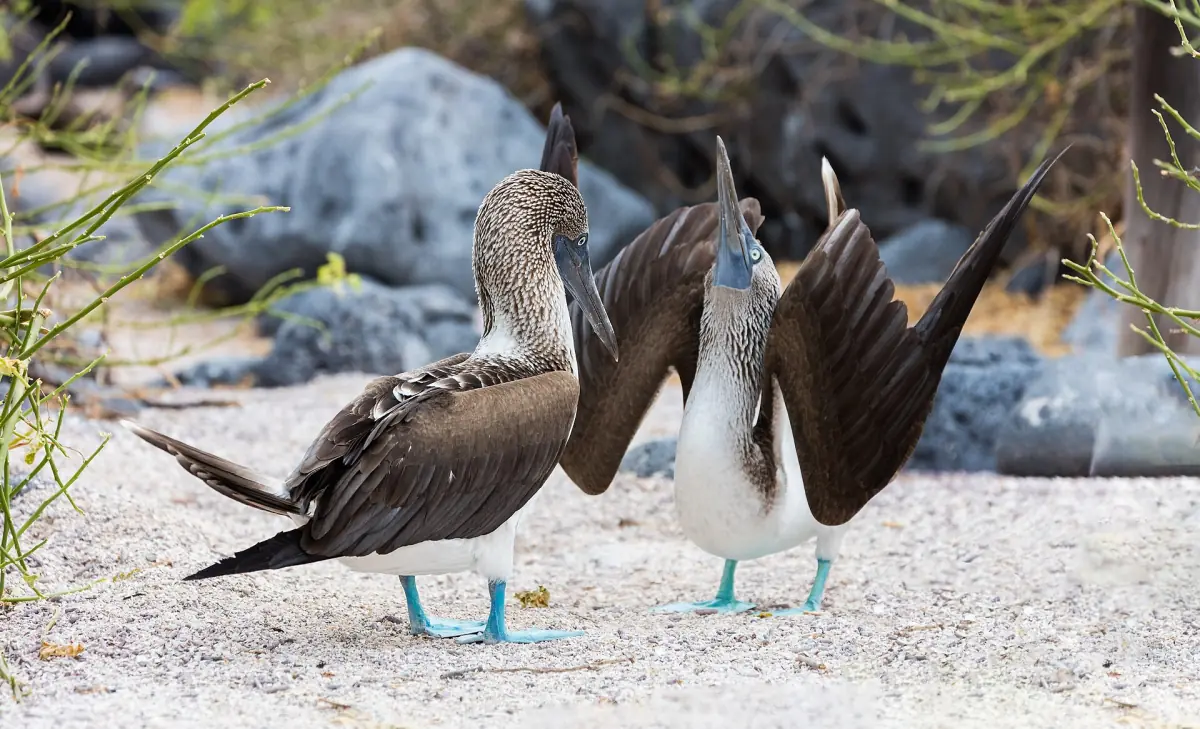
North Seymour is a well-known place for blue-footed boobies and frigatebirds. Breeding months differ between islands, so no single month is right for every colony.
Penguins
Galápagos penguins live mainly on Isabela and Fernandina and can also be seen near Bartolomé, Santiago and Floreana. They are here all year, but not on every tour.
Albatrosses
Española is the main breeding site. The birds are mostly on land from April to December and mostly at sea early in the year. A day tour from San Cristóbal to Española costs about $259 as of 2026, with a hike and snorkel.
Watching wildlife the right way
The short version of the rules.
Distance
Keep at least 2 m from animals on land and in the water, camera included. Kayaks, paddleboards and boats stay at least 4 m from the coast and from the animals.
No touching, no feeding
Never touch or feed an animal. Stay on the marked paths. Photograph without flash.
Drones
Drones and professional filming need prior permission. Do not fly one on a normal trip.
Guides
Visits need an accredited naturalist guide, except at places that are expressly exempt. The rules page has the full list.
Plan the rest of your trip
More on wildlife and the seasons.
Galápagos animals: frequently asked questions
Where can I see giant tortoises?
In the highlands of Santa Cruz, for example at El Chato, where they roam a private ranch. The Fausto Llerena center shows tortoises in a breeding program, which is a different experience from the wild.
Are the animals afraid of people?
They often stay calm when you keep your distance. That is no reason to touch or approach them. The rules ask for at least 2 m.
Can I see albatrosses?
Española is the main breeding area. The birds are mostly on land from April to December. A day tour from San Cristóbal visits the island, but no tour guarantees a sighting.
Where do I see penguins?
Mainly around Isabela and Fernandina, and also near Bartolomé, Santiago and Floreana. They are present all year.
Do I need a guide to watch wildlife?
For most places, yes. An accredited naturalist guide is required except at places expressly exempt, such as Tortuga Bay for individual travelers.