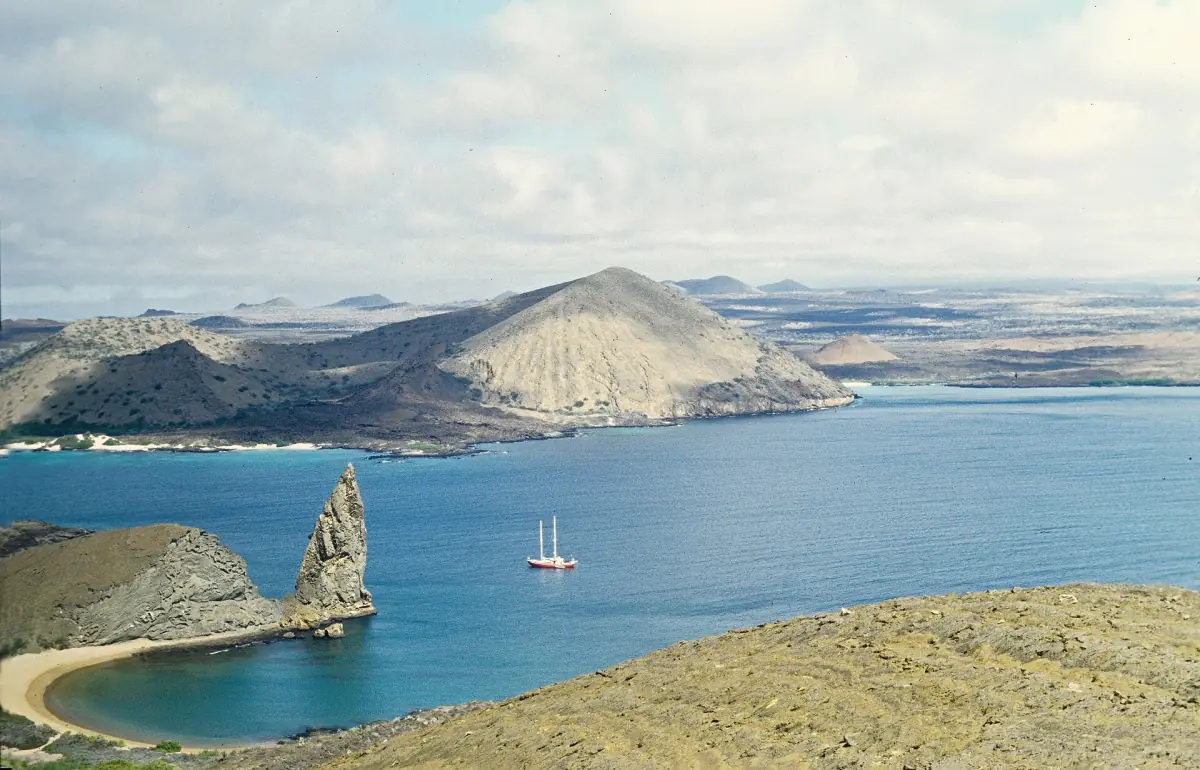
The Galápagos Islands at a glance
The Galápagos Islands are an Ecuadorian archipelago in the Pacific, roughly 1,000 km from the mainland. The land is a national park, and the surrounding waters are a marine reserve. The national park was created in 1959, and UNESCO listed the islands as World Heritage in 1978. About 97 percent of the land area is national park, so most of what you visit is protected and visited with a licensed naturalist guide.
There are two ways to see the islands. You can sleep on land in Puerto Ayora (Santa Cruz), Puerto Villamil (Isabela) or Puerto Baquerizo Moreno (San Cristóbal) and take day trips by boat. Or you can book a multi-day cruise that sleeps aboard and visits islands you cannot reach in a day. This guide covers both, with prices in US dollars as of 2026. They change, so treat them as examples.
Our picks: Galápagos trips
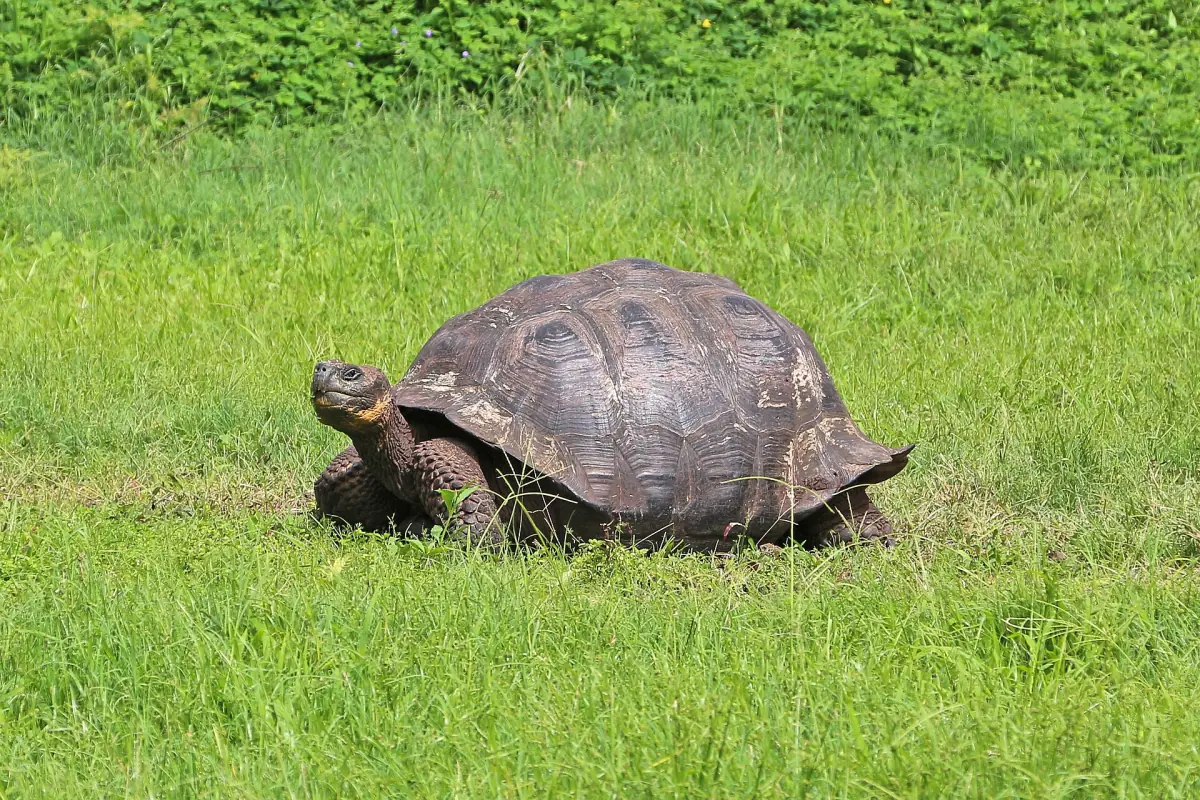
Our take: the seven-day package covers three islands with hotels and boats; the Isabela day trip fits a short stay on Santa Cruz; the highlands tour is the easy start with the tortoises.
Hand-picked tours, booked through GetYourGuide. Prices are indicative starting prices in US dollars (as of October 2026). Tap a tour for live availability and the current price in your currency.
Seven-day island hopping with hotels
- Six hotel nights with breakfast
- Inter-island speedboats
- Guided tours with gear
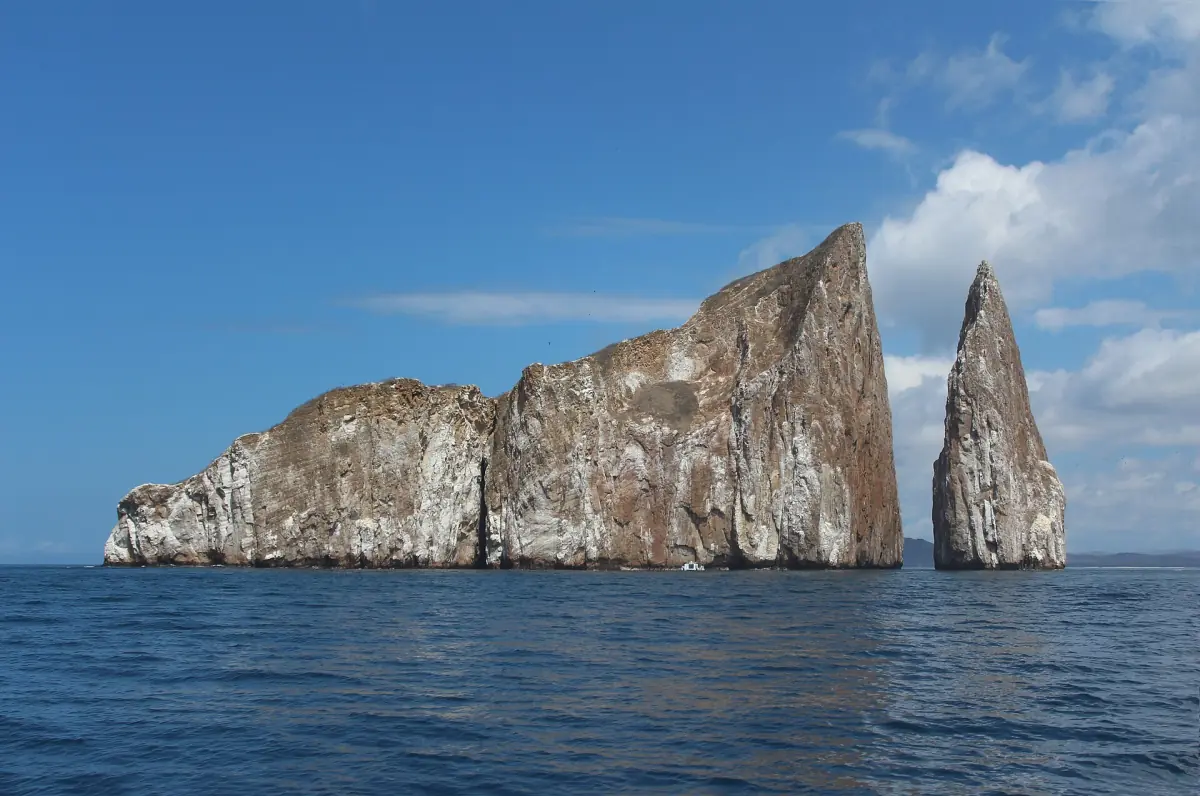
Six hotel nights with breakfast, the public speedboats between islands and guided trips such as Kicker Rock and Sierra Negra; flights and the national park fee are extra.
Check availability →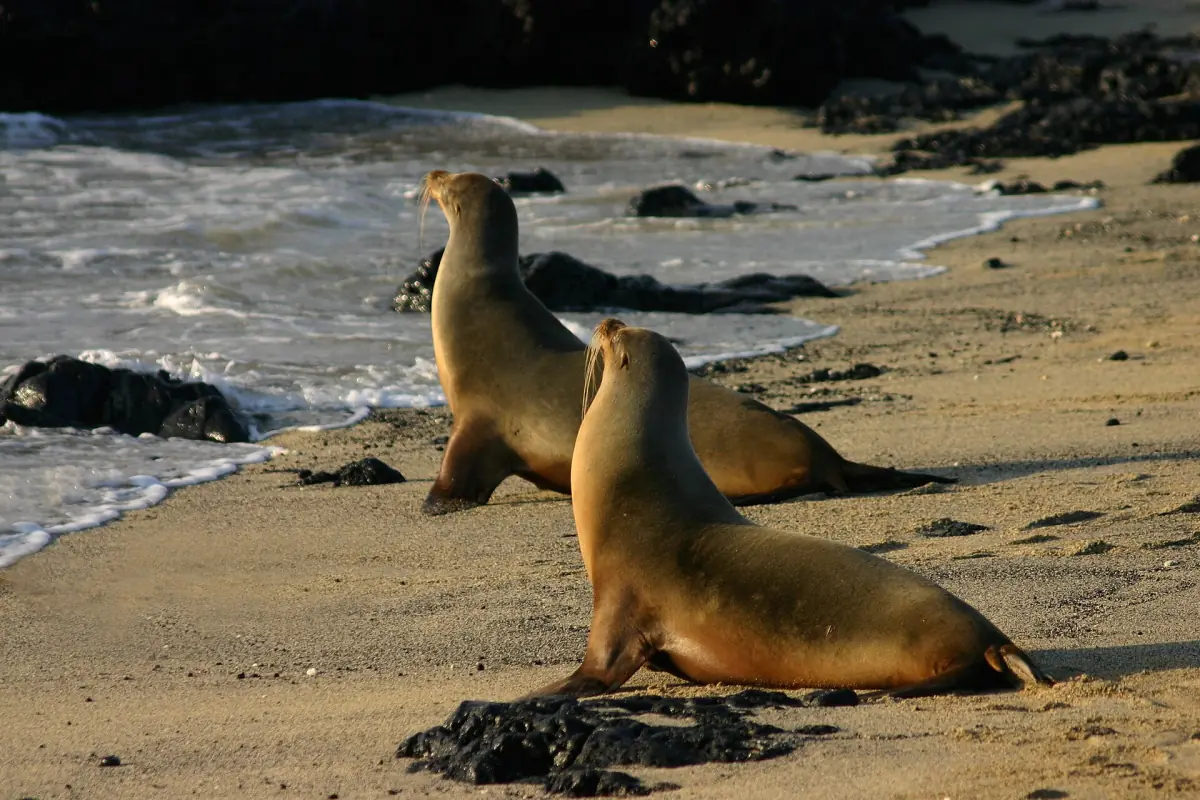
Isabela and Tintoreras day trip from Santa Cruz
- Isabela ferry both ways
- Tintoreras boat with guide
- Snorkel gear and wetsuit
The ferry to Isabela and back, a Tintoreras boat trip with a naturalist guide and lunch; the Isabela municipal fee is extra.
Check availability →Giant tortoises, lava tunnels and craters
- Transport
- Tortoise reserve entry
- Los Gemelos entry
A half day in the Santa Cruz highlands with transport and entry to a tortoise reserve and Los Gemelos.
Check availability →Galápagos tours and day trips
Day trips from Santa Cruz, San Cristóbal and Isabela, snorkeling and diving trips and cruises, with live prices and availability.
Land or boat: which trip fits you
The two ways to see the islands differ in cost, time and reach.
Land-based with day trips
You pick a base, sleep in a hotel and book boat trips by the day. North Seymour, Bartolomé, Pinzón and Santa Fe leave from Santa Cruz. Kicker Rock, Isla Lobos and Española leave from San Cristóbal. Los Túneles, Tintoreras and the Sierra Negra volcano are done from Isabela. Day-trip prices run from $50 to about $400 as of 2026.
Day tours compared →Island hopping
Public speedboats connect Santa Cruz with Isabela and San Cristóbal. A crossing takes about 2 to 3 hours and costs about $50 to $65 as of 2026. There is no direct regular speedboat between San Cristóbal and Isabela, so you change at Santa Cruz.
Ferries and bases →Cruises
Boats are grouped into Tourist, Tourist Superior, First Class and Luxury. These are trade terms, not official stars. Programs run from 4 to 15 days, and 4-day programs cost about $1,200 to $4,500 per person as of 2026.
Cruises compared →Plan your trip
Start with the page that matches your next decision.
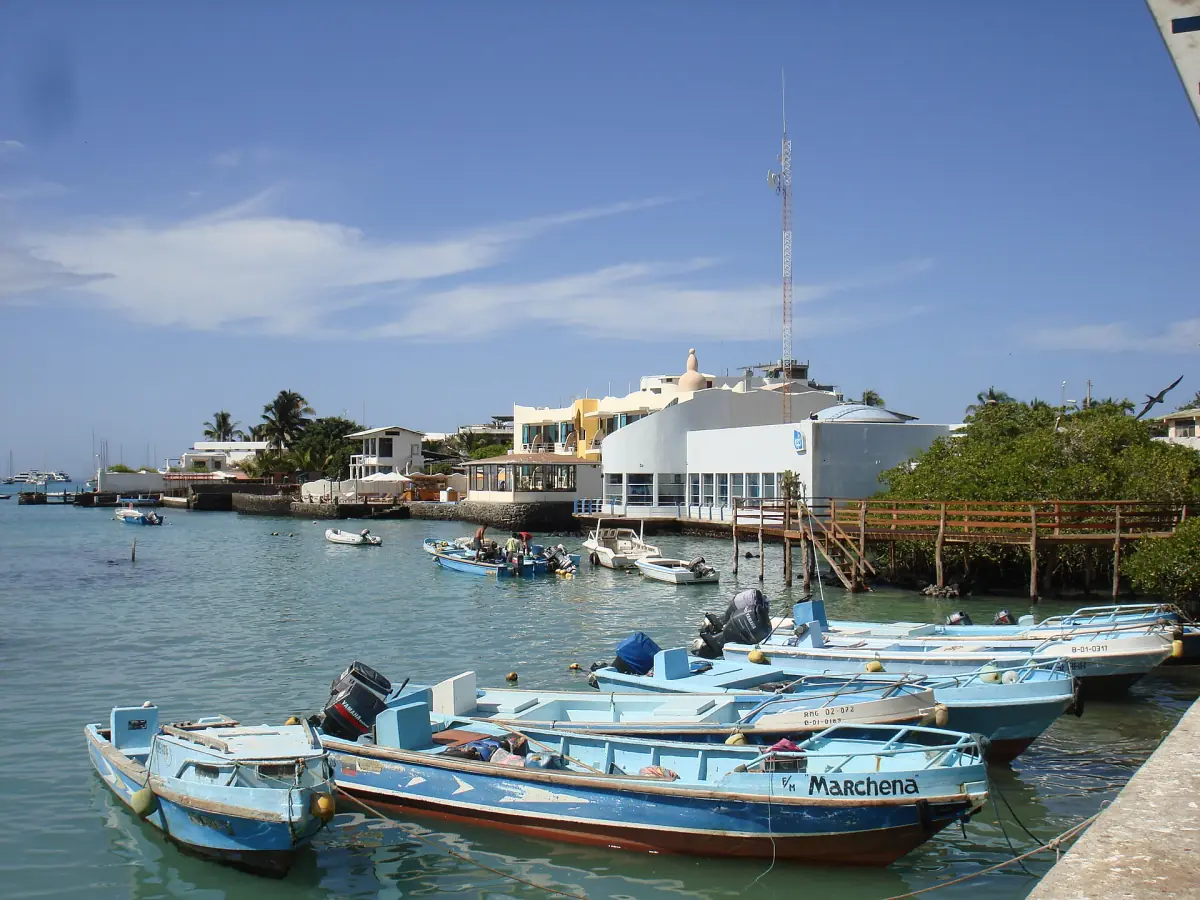
Galápagos tours
Day trips from three islands, with price and length examples.
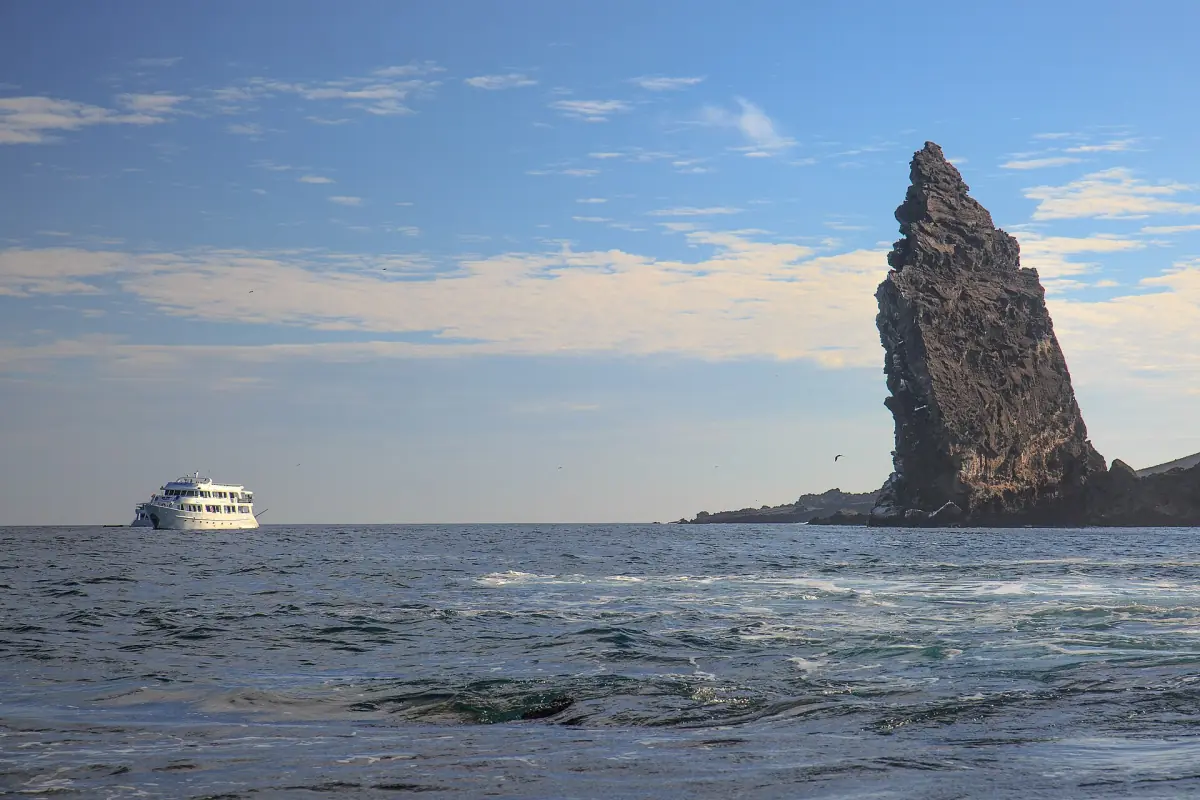
Galápagos cruises
Boat classes, routes, example prices and what is included.
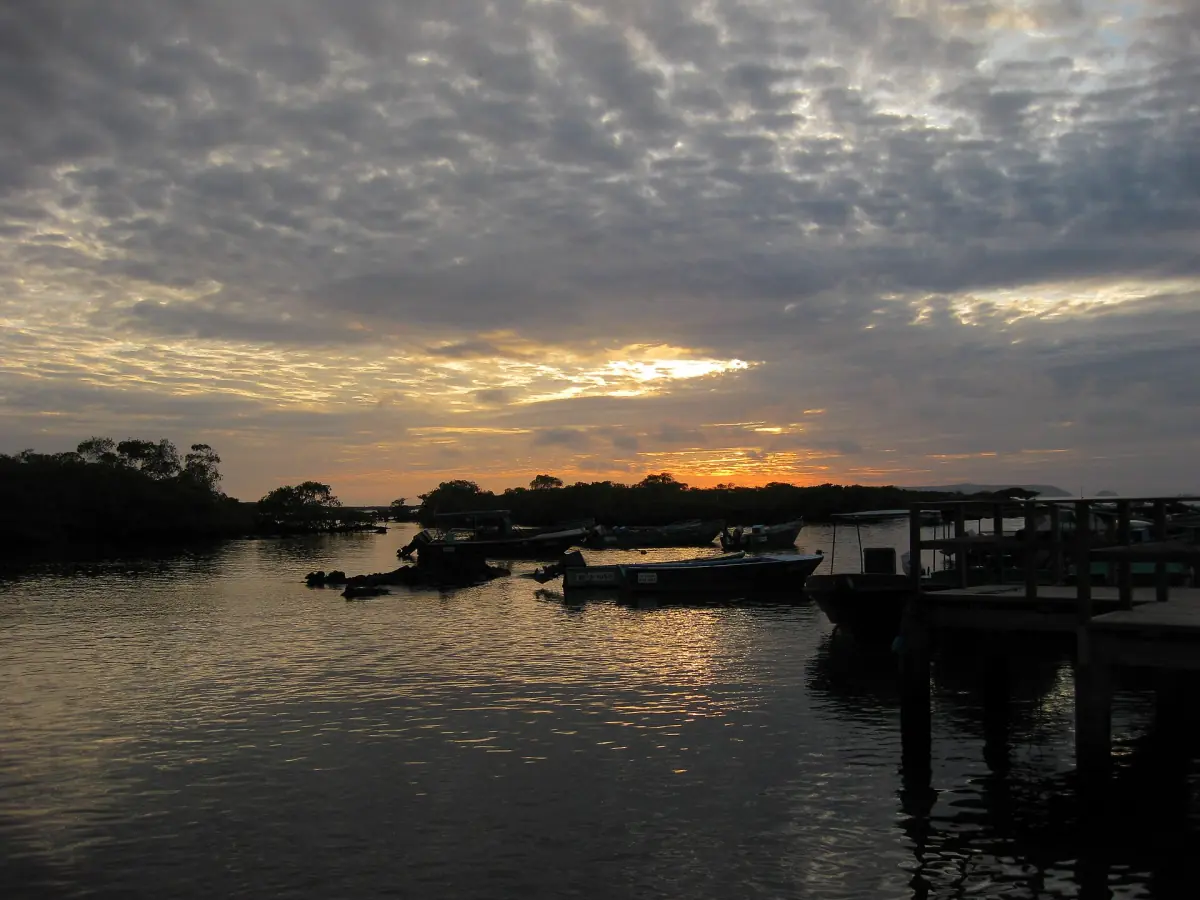
Island hopping
Ferries between the three main islands, flights and where to sleep.
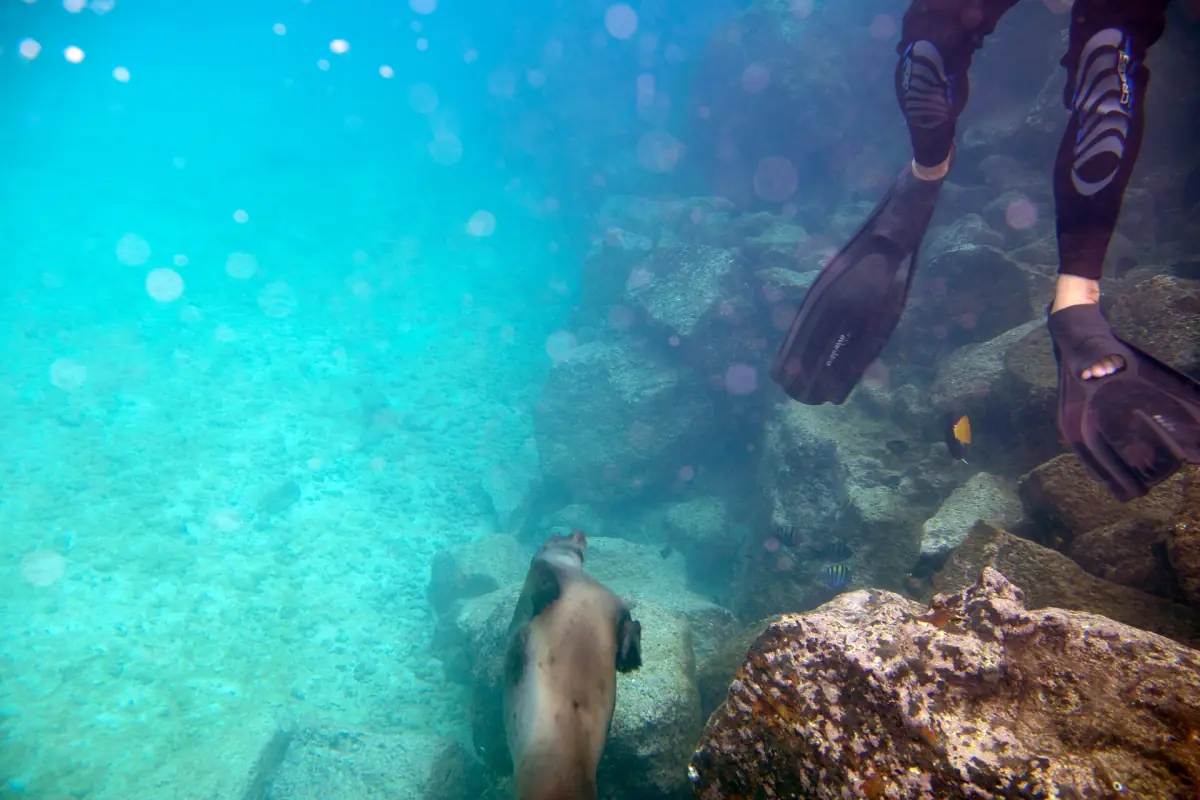
Snorkeling
Where to swim with sea lions and what the water is like.
Diving
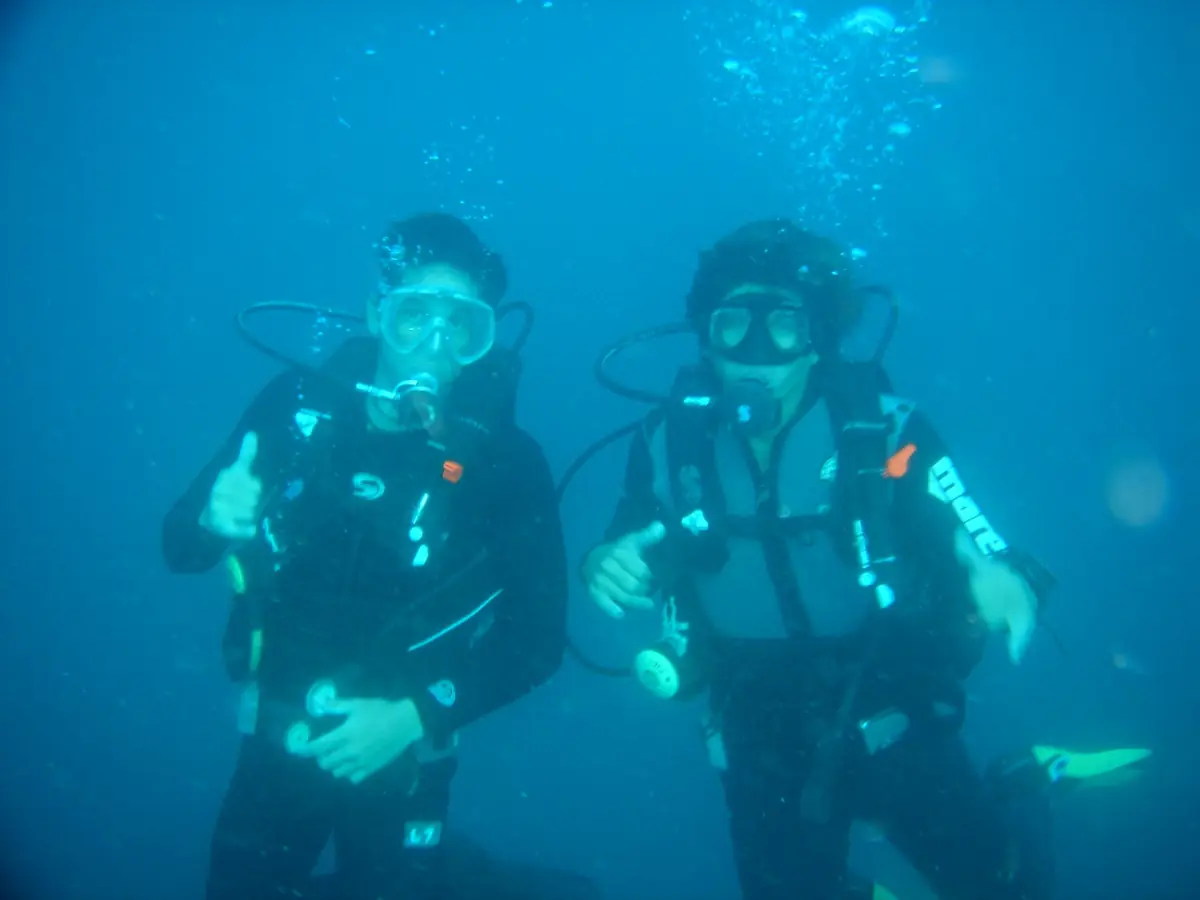
Gordon Rocks, Kicker Rock and the Darwin and Wolf safaris.
Animals
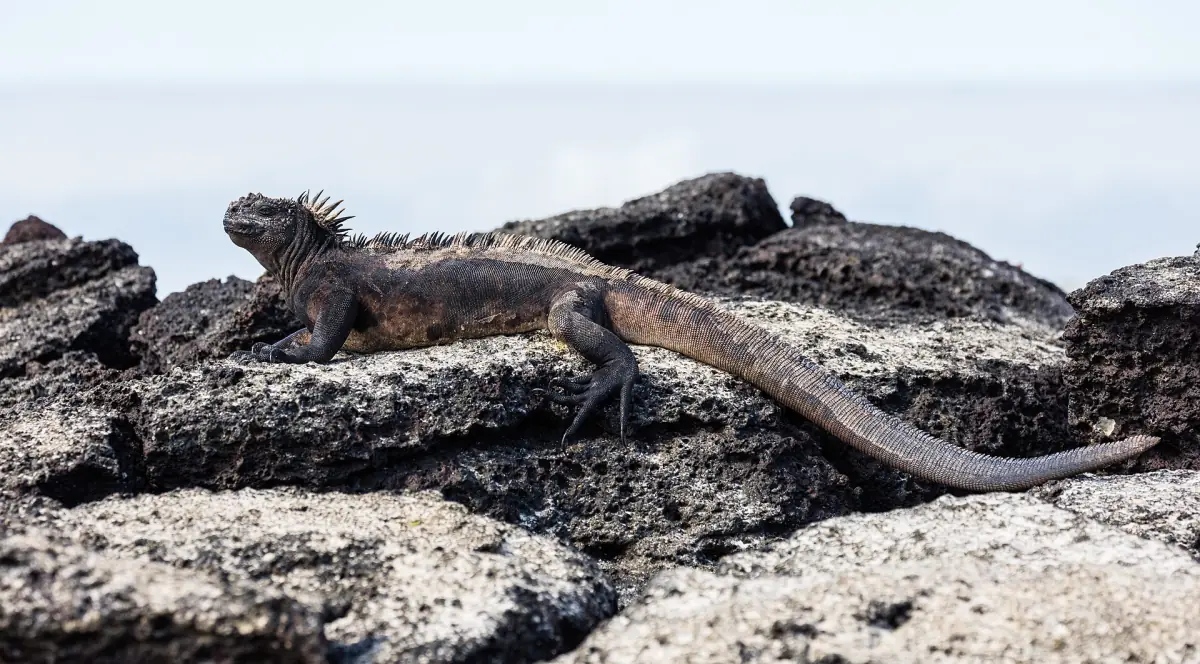
Tortoises, iguanas, sea lions, boobies and where to find them.
Park fee and transit card
Who pays what, and how the $200 and $20 fit together.
National park rules
Guides, distances and what is not allowed.
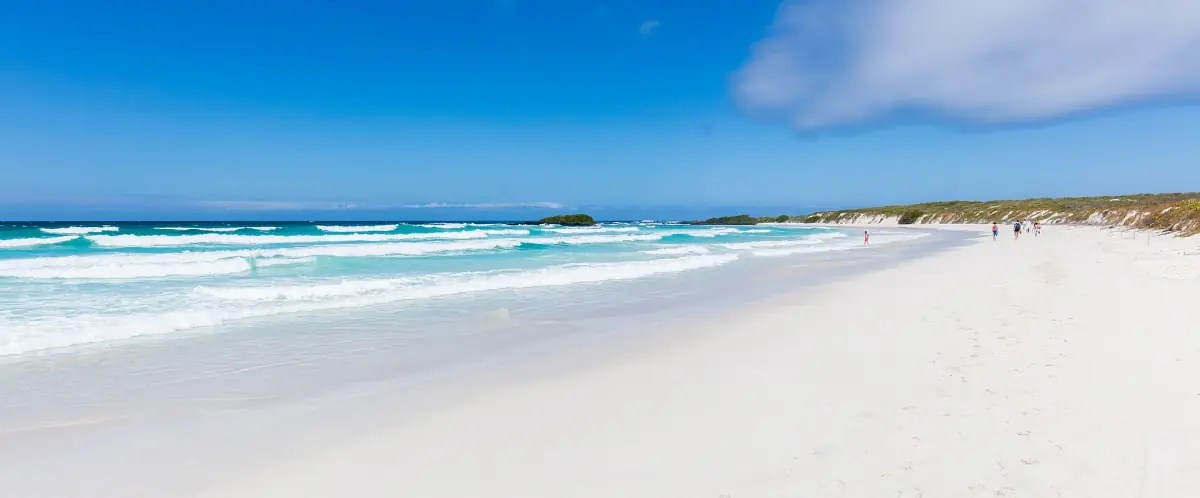
Santa Cruz
Puerto Ayora, Tortuga Bay and the highlands.
San Cristóbal
Kicker Rock, beaches and day trips from the port.
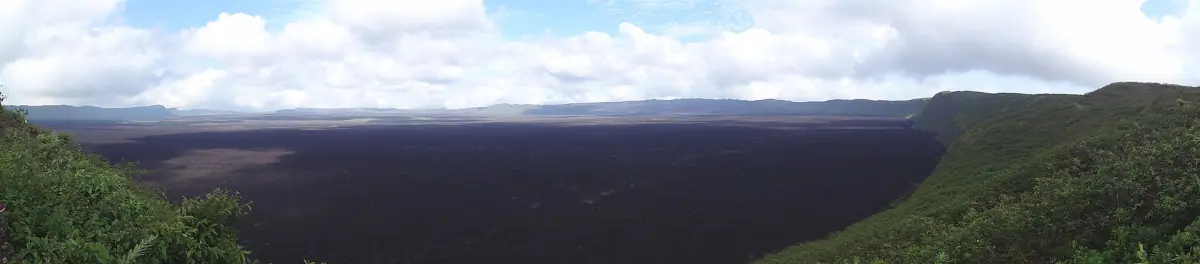
Isabela
Tintoreras, Sierra Negra and the lagoons near Puerto Villamil.
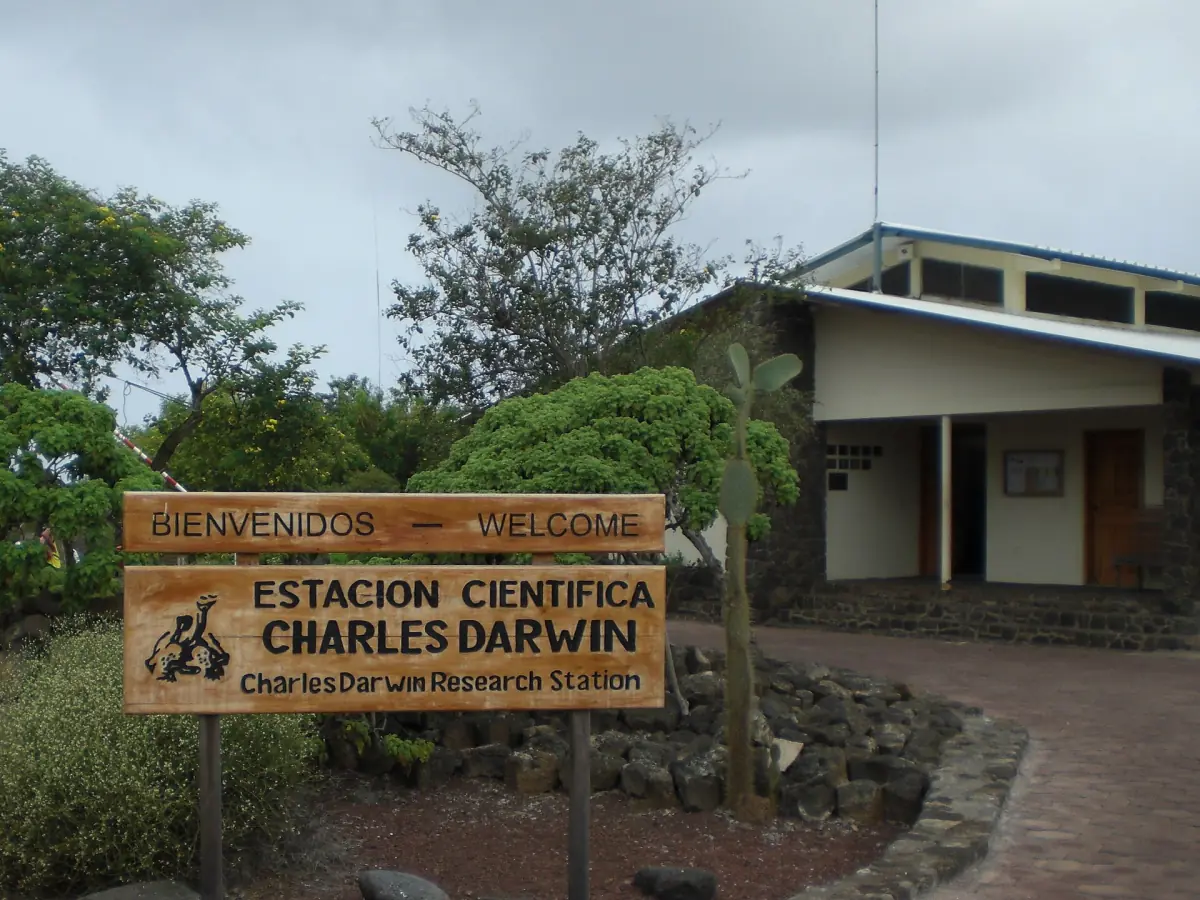
Charles Darwin Research Station
The free exhibition hall and how it differs from the tortoise center.
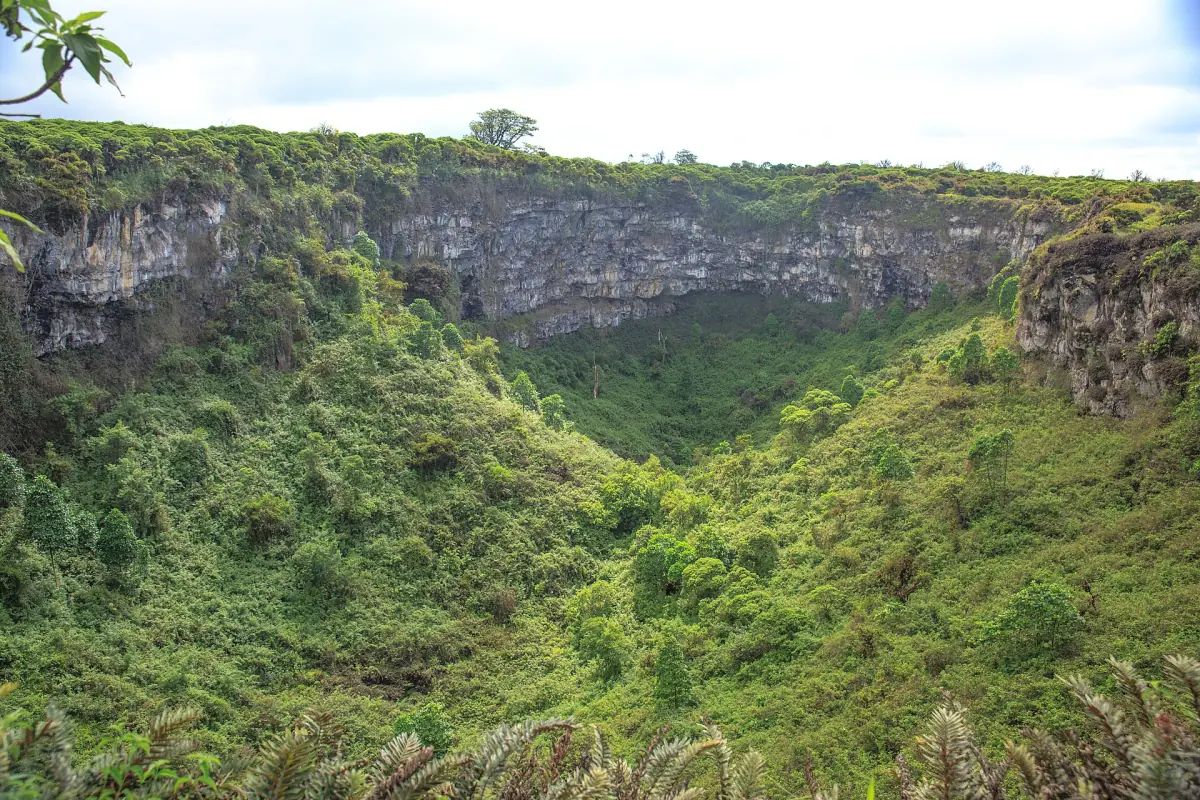
Things to do
Fifteen experiences by island.
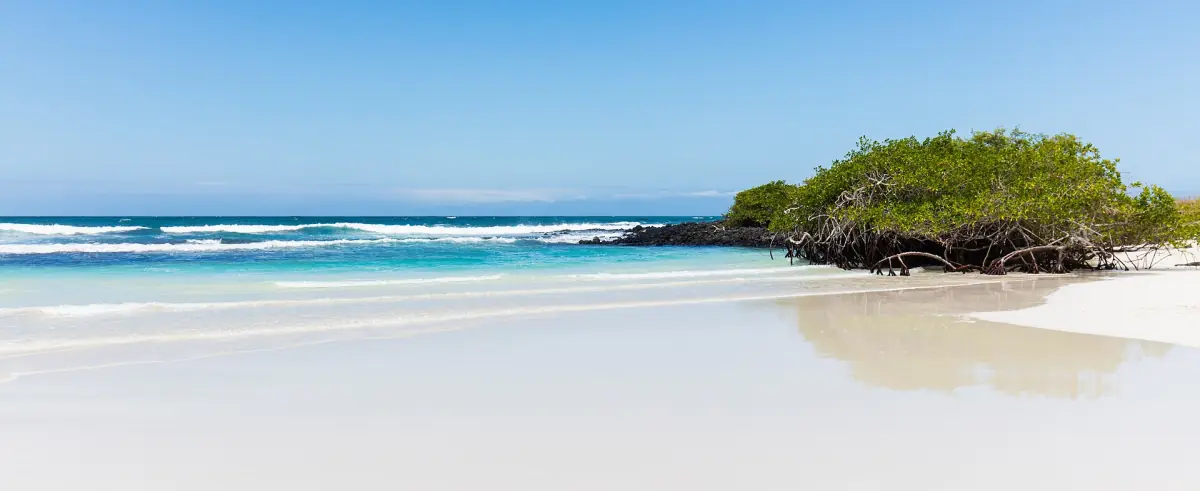
Beaches
Tortuga Bay, Puerto Villamil and which beaches are for swimming.
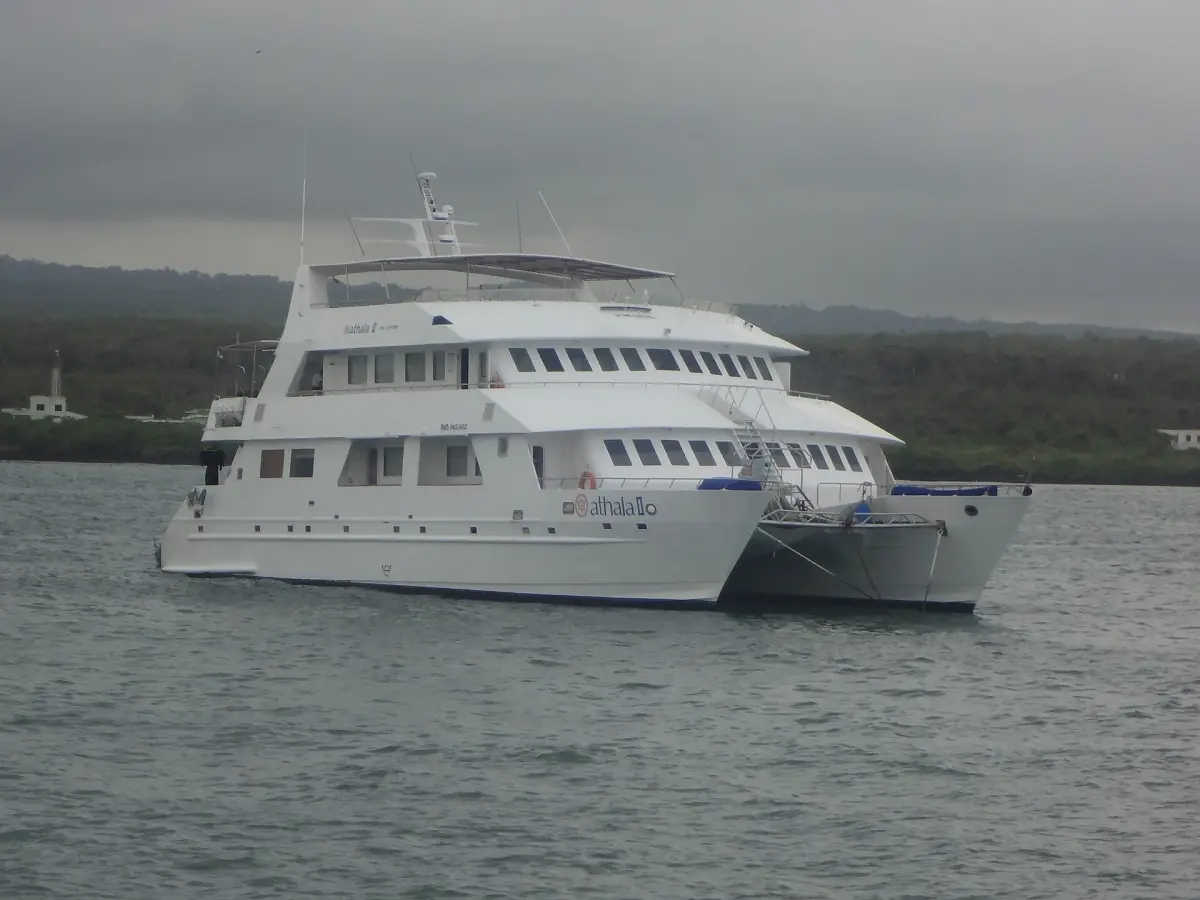
Itineraries
Sample plans for 5, 7 and 10 days by land or boat.
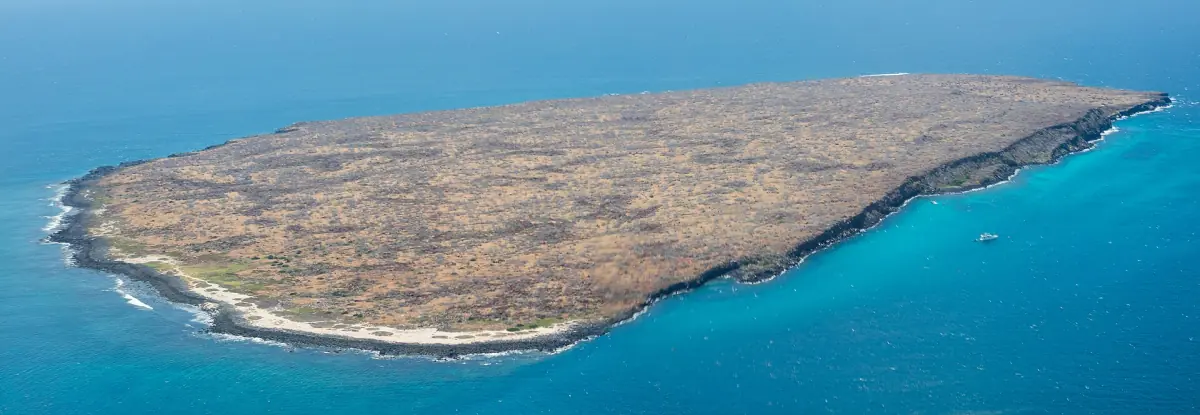
Getting there
Flights from Quito and Guayaquil and the transfer from Baltra.
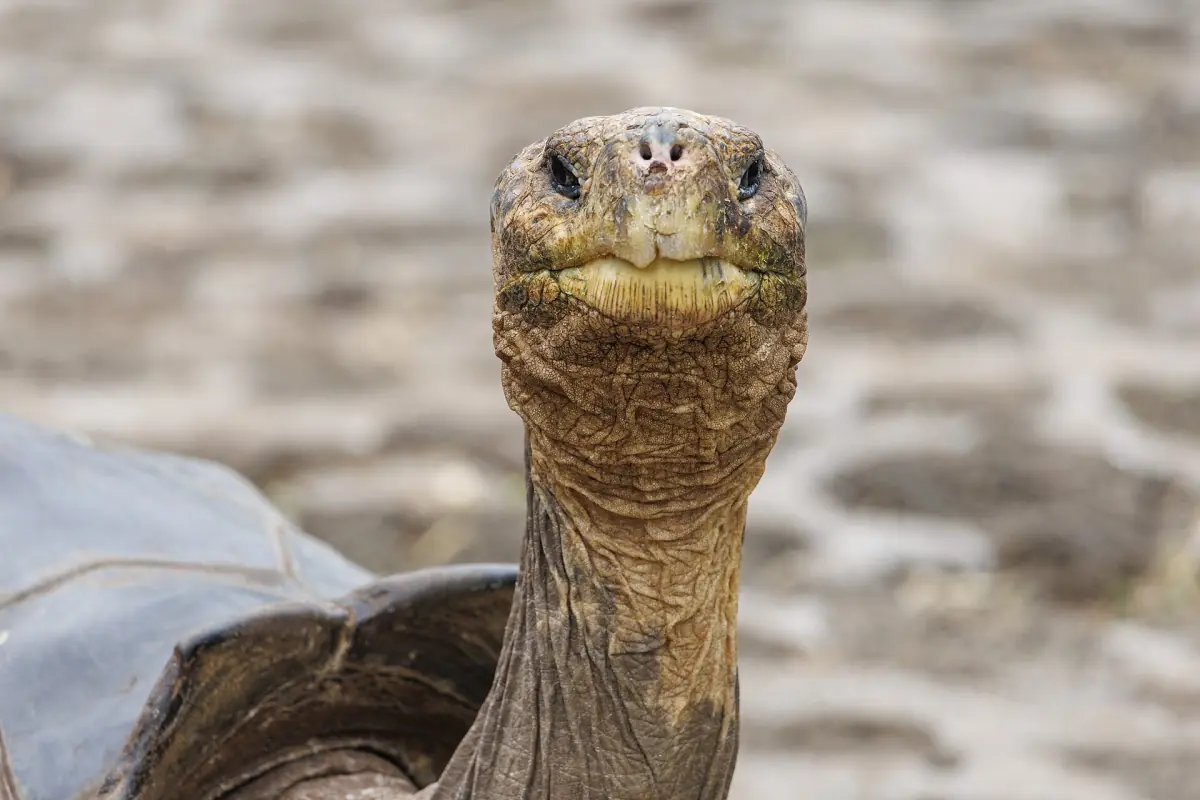
History
Darwin, settlers and the national park.
Weather
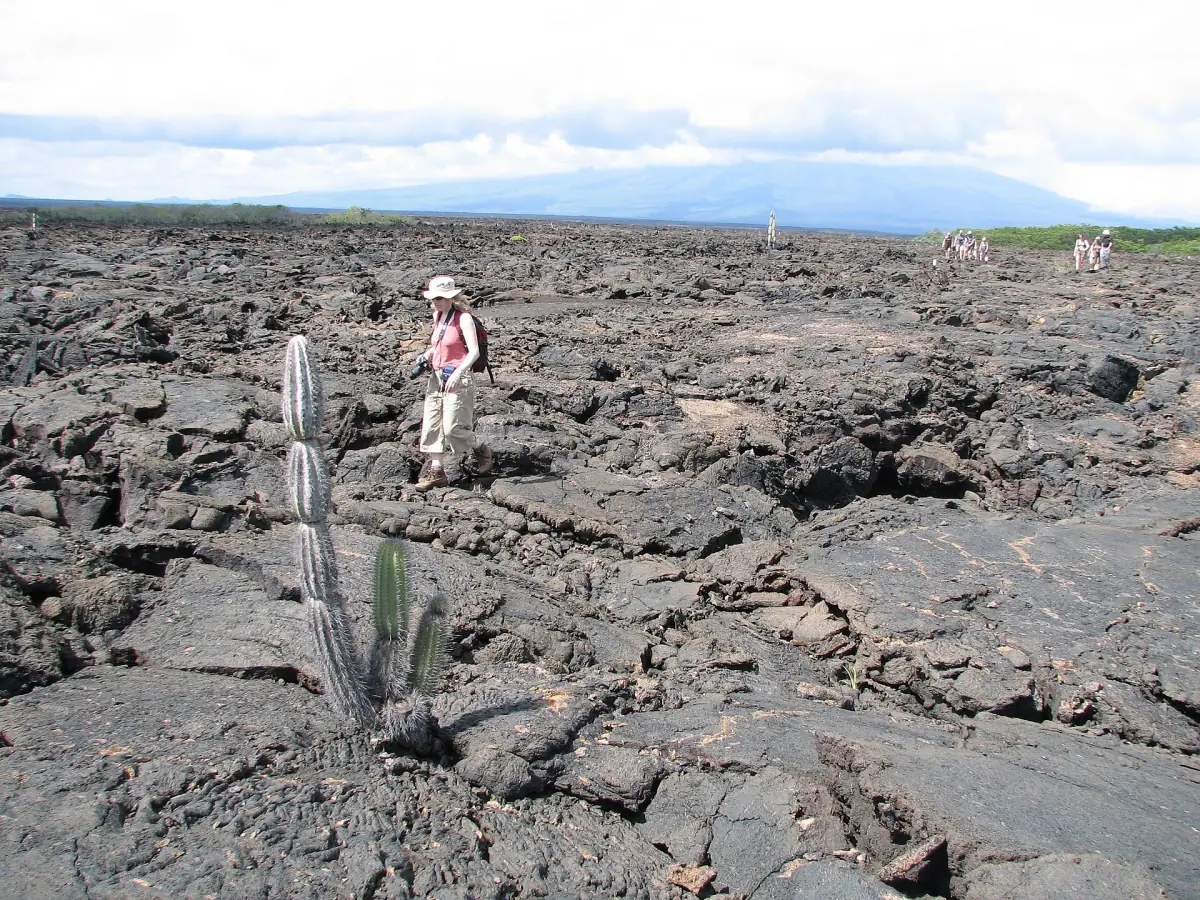
Warm season, garúa and water temperature.
Best time to visit
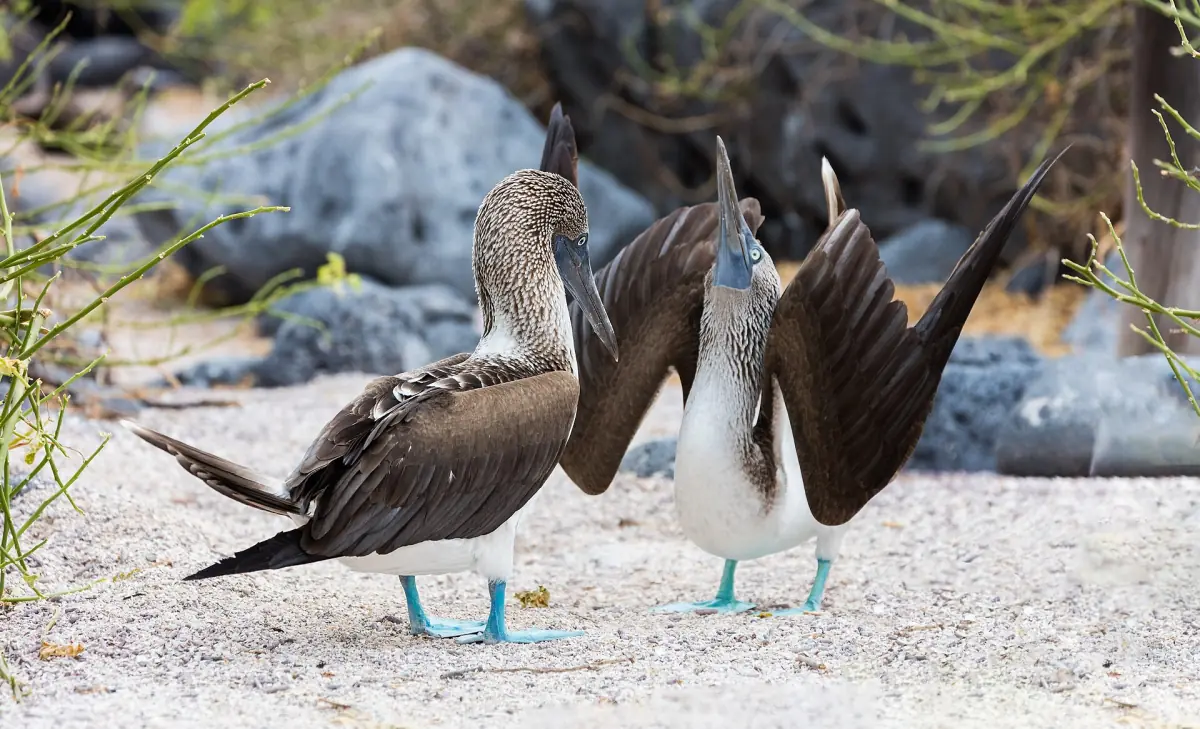
Wildlife and sea conditions month by month.
Where to stay
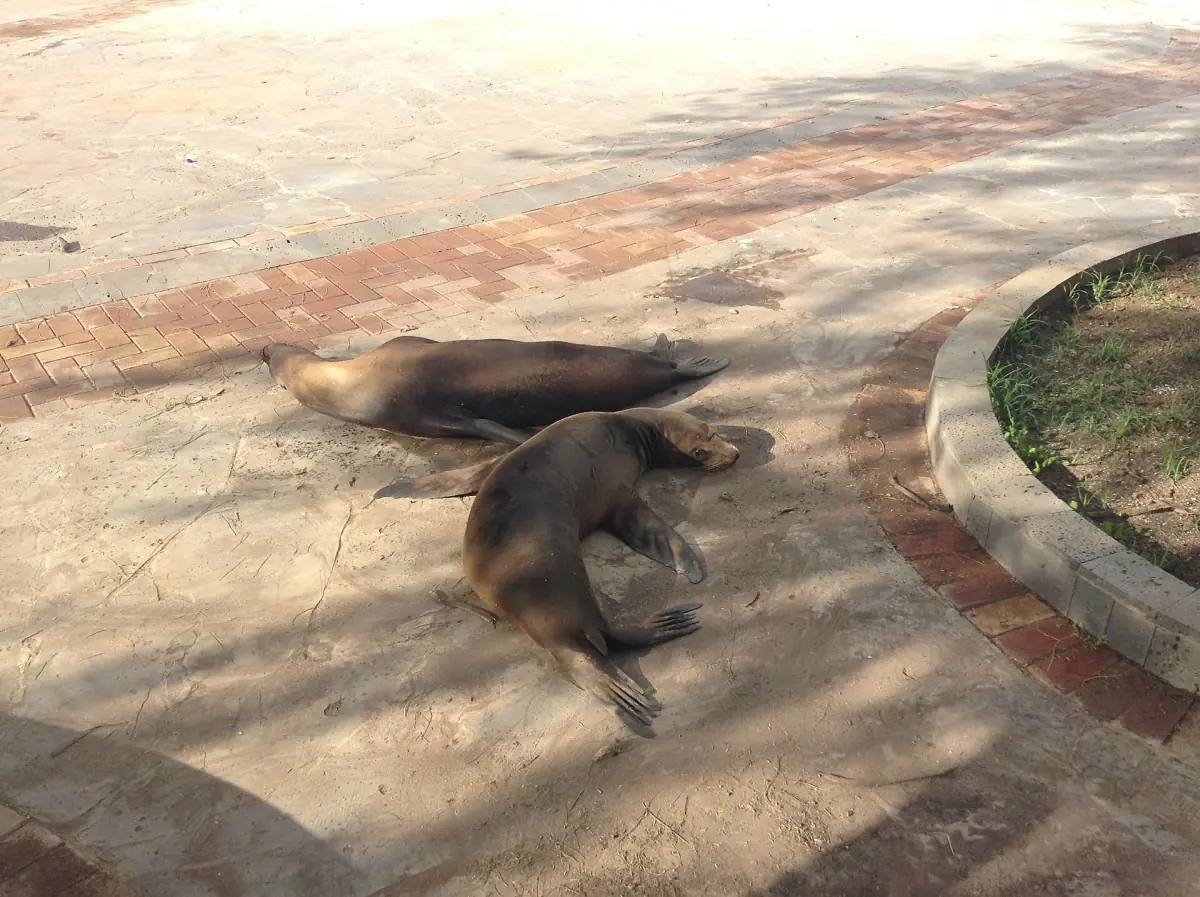
Puerto Ayora, Isabela, San Cristóbal or a boat.
What you pay on arrival (2026)
The park fee and the transit card are separate charges.
| Visitor | National park fee |
|---|---|
| Foreign tourists, over 12 | $200 |
| Foreign tourists, under 12 | $100 |
| Non-resident citizens of CAN and Mercosur countries, over 12 | $100 |
| Same group, under 12 | $50 |
| Children under 2 | Free |
| Transit control card (TCT), for visitors who need one | $20 on top |
For most visitors from outside Latin America the cost is $200 per adult plus $20 for the transit card. If your child is exactly 12, check the current rule before you travel. The park fee page explains the categories and how to pay.
A few things to know before you go
Details that change how you plan.
Entry steps are separate
The transit card, the park fee and the biosecurity check are three different procedures. The transit card can be bought through the government portal, and the paper goods declaration ended on 31 January 2026. Carry proof of a return flight and your accommodation.
Getting there →Some visits need a booking
Sites such as the Fausto Llerena tortoise center, Las Grietas, Volcán Chico and Minas de Azufre are reserved through registered agencies, and the guide handles the booking. Have the QR confirmation ready if you are checked.
Park rules →Tortuga Bay is a walk
The path from Puerto Ayora is about 2.5 km and takes 40 to 50 minutes. You register at the entrance, and the hours are 07:30 to 17:30. Playa Brava is not for swimming. Playa Mansa is the swimming and snorkeling beach.
Santa Cruz →The research station exhibition is free
The exhibition hall at the Charles Darwin Research Station is free and open daily from 08:00 to 18:00. The tortoise breeding center is a separate visit with its own booking.
Research station →Española and Isabela are reachable
Day trips to Española leave from San Cristóbal (about $259 as of 2026). Isabela is on the ferry network and on an inter-island flight network that also serves Baltra and San Cristóbal.
Island hopping →Galápagos Islands: frequently asked questions
How do I get to the Galápagos Islands?
You fly from Quito or Guayaquil to Baltra on Santa Cruz or to San Cristóbal. The flight takes about 1 hour 50 minutes from Guayaquil and up to 2 hours 30 minutes from Quito with a stop. A direct Quito to Baltra flight of about 2 hours also exists. See the getting there page.
How much is the national park fee?
Adult foreign tourists pay $200, and foreign children under 12 pay $100. Children under 2 do not pay. The transit control card costs another $20. Bring cash for the park fee, although digital payment may also be available. See the park fee page.
Can I visit without a cruise?
Yes. Many visitors stay in Puerto Ayora, Puerto Villamil or Puerto Baquerizo Moreno and book day trips. Public ferries link the three towns. A cruise reaches more distant islands, while a land base gives you a free schedule. The island hopping page shows how the ferries work.
Do I need a guide?
For almost all national park sites you need an accredited naturalist guide and an authorized operation. A few sites are exempt, such as Tortuga Bay for individual travelers. Keep at least 2 m from animals, never touch or feed them, and fly no drone without a permit. See the rules page.
What is the best time to go?
There is no single best month. The warm phase runs roughly from January to May and the cooler phase from June to December, with a transition in December. Albatrosses breed on Española from about April to December. See the best time page for a month-by-month view.
Is galapagos-islands.org the official site of the national park?
No. This is an independent travel guide. It is not the website of the Galápagos National Park Directorate, the Government of Ecuador or any cruise line, and it is not connected to any tour operator or hotel.